 Every player in the B/R 99, one search away.Player photos: AP Images
1
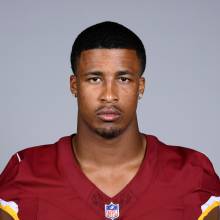 Sonny Styles
Styles was the best linebacker prospect B/R has scouted over the last four cycles, due to his combination of rare athleticism for the position and instincts. That should help him hit the ground running in the NFL and make an impact in both phases of the game. Plus, the Ohio State product enters a situation where he should immediately be the best linebacker on the Commanders' roster. Cleveland Browns linebacker Carson Schwesinger racked up over 150 tackles en route to winning the Defensive Rookie of the Year Award last year, and it wouldn't be surprising to see Styles have a similar campaign this season.
2
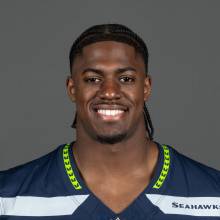 Jadarian Price
Price is a nuanced, natural running back prospect with outstanding vision to find daylight beyond the line of scrimmage. He has the foot quickness and shiftiness at the line of scrimmage to make defenders miss and be a highly productive runner in the Seahawks' wide-zone-oriented running offense, particularly after Kenneth Walker III's departure in free agency and Zach Charbonnet's continued recovery from an ACL tear he suffered in January. As such, Price has a wide open lane to be an offensive focal point for the reigning Super Bowl champs.
3
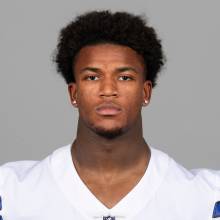 Caleb Downs
Caleb Downs brings his versatility and elite communication skills to the Dallas Cowboys in Christian Parker's new defense. His talent will elevate the floor, and his utility could see him bring home the Defensive Rookie of the Year award.
4
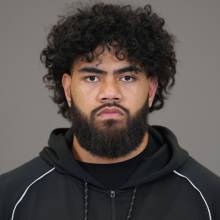 Vega Ioane
Ioane has the size (6'4", 320 lbs), patience, balance and power profile to set a firm anchor to stabilize the pocket and be a tone-setter in the Ravens' zone-oriented, play-action based run scheme. His addition along Baltimore's offensive interior should help offset the free-agent loss of three-time Pro Bowl center Tyler Linderbaum, while providing the Ravens with a legitimate physical presence.
5
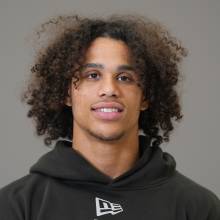 Jordyn Tyson
Tyson is a twitchy and dynamic route-runner, who presents a three-level receiver threat for New Orleans' passing offense. He has the speed and raw physical tools to take over and elevate the offense when featured. Tyson does present WR1 ability. However, injuries held him back at the collegiate level. Now, he can immediately enter the Saints' offense and provide a big-play threat alongside Chris Olave.
6
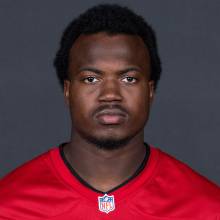 Rueben Bain Jr.
Bain's lack of length was a hot topic of discussion last year and led to him sliding in the draft a bit despite being one of the most disruptive defensive players in College Football. The Miami product's ability to turn speed to power as a pass-rusher and make plays as a run defender should help him overcome any physical limitations in year one, though. Plus, it helps that the Buccaneers have been looking for an edge defender opposite Yaya Diaby for a few years, so Bain should get plenty of opportunities to play and be impactful as a rookie.
7
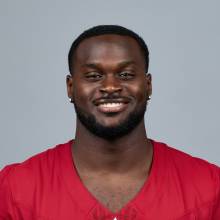 Jeremiyah Love
Love is a dynamic and explosive running back with a complete three-down skill set to serve as a tone-setter and create big plays. He is a dangerous runner and receiver, making the Cardinals' play-caller's job easier when he's on the field. Arizona's backfield is crowded with James Conner, Tyler Allgeier and Bam Knight on the roster. But the organization didn't draft Love with this year's third overall pick for the offense not to run through him, especially considering the team's suspect quarterback situation.
8
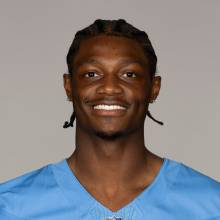 Carnell Tate
Tate is a route-running tactician, with a savvy and veteran-like feel to his game. He possesses the springy leaping ability and outstanding ball-skills to be a reliable full-field target for quarterback Cam Ward. The relationship between this year's fourth overall pick and last year's No. 1 selection is vital to get Tennessee's passing attack on track. Little stands in the way of Tate not being the Titans' top receiving threat from Day 1.
9
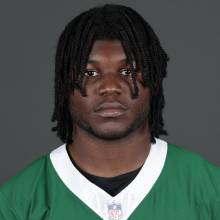 David Bailey
Bailey's ability to set the edge against the run in the NFL is a question mark. But he was drafted to put pressure on the quarterback, and there's no denying that he was the best pure pass-rusher in the 2026 draft class. Also, the Jets don't have a good run defender on the edge since Joseph Ossai and Will McDonald IV are also known for their pass-rush skills. So, an argument could be made that the Texas Tech product is already the most well-rounded edge on his team, giving Bailey a chance to be a very impactful rookie for the Jets.
10
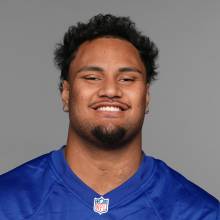 Francis Mauigoa
Mauigoa is a densely-built blocker with excellent play-strength, point-of-attack power and a commanding anchor. He can generate displacement in the run game and halt a defender's bull-rush, while his closer-to-average movement skills will be mitigated with the move inside to guard. Eventually, Mauigoa may return to right tackle. However, the Giants signed Jermaine Eluemunor to a three-year contract extension this offseason.
11
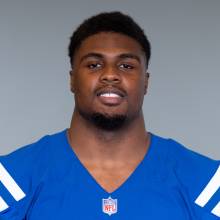 CJ Allen
While Allen was the 53rd pick of the draft, he couldn't have entered a better situation to be an impactful rookie linebacker. The Colts were weak at the position last year and moved on from Zaire Franklin during the offseason despite him being their best backer on the roster, replacing Franklin with Akeem Davis-Gaither, who is on his third team in as many years. The Georgia product is already expected to wear the green dot as a rookie, which speaks to his high football IQ that should help him hit the ground running.
12
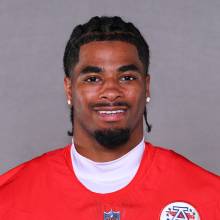 Mansoor Delane
Mansoor Delane showed exactly what he could do with LSU last season and was a shutdown corner for the Tigers' defense. His physicality and football IQ were center stage, and that's why Steve Spagnuolo wanted him. While he isn't the biggest corner, the staff in KC knows just how to highlight his talents.
13
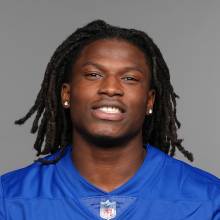 Arvell Reese
Reese's ability and versatility should help him develop into a productive pro for the Giants. But his best position is still to be determined, and he goes into a situation where he might get limited playing time in year one. New York has three good edge defenders in Brian Burns, Abdul Carter and Kayvon Thibodeaux. They also signed off-ball linebacker Tremaine Edmunds and brought back Micah McFadden during free agency this offseason. So, expectations for the Ohio State product should be tempered in year one since the G-men don't necessarily need him to play much this season, and it could take a year for him to find his footing.
14
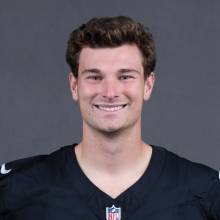 Fernando Mendoza
Mendoza is an accurate, high football-IQ quarterback, who can be surgical from clean pockets while bringing the leadership and toughness a struggling franchise like the Raiders desperately need. However, the organization has a plan to start veteran Kirk Cousins at the onset of the 2026 campaign. Mendoza should be expected to start at some point as a rookie. When and where that happens remains in question.
15
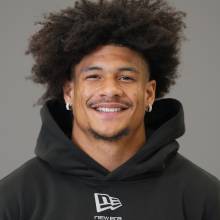 Denzel Boston
Boston has the prototypical X-receiver build and frame to be a consistent contested catch threat down the field for the Browns. He also possesses incredible body-control and ball skills to be a trustworthy target—which is why he ranks slightly higher than his teammate and fellow rookie, KC Concepcion, despite being drafted 15 picks later.
16
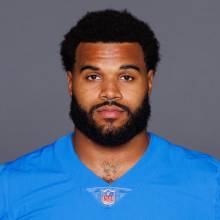 Akheem Mesidor
As an older rookie, Mesidor is a bit of a wild card. He was a very good pass-rusher last season, but he also had significantly more experience than the offensive linemen he was going against. That could either help the Miami product have a smooth transition into the NFL or expose the advantage he had a year ago. The good news is the Chargers could use some pass-rush help, and Mesidor could form an impressive trio with Tuli Tuipulotu and Khalil Mack. However, that also means the former Hurricane likely won't start as a rookie.
17
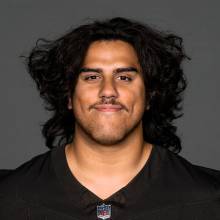 Spencer Fano
Fano's fluid movement skills and relentless motor will help him stay in-phase and attached to blocks, but his leaner, sawed-off build raises questions about how consistently he will generate displacement and anchor against NFL power. The reigning Outland Trophy winner is also a part of a revamped offensive line that lacks continuity—regarding personnel and the coaching staff—which adds variance to his 2026 projection. To top it all off, Fano will make the switch from right to left tackle in the Browns' offense.
18
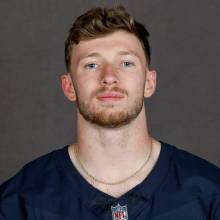 Dillon Thieneman
After adding more tools to his tool bag at Oregon, Dillon Thieneman brings his single-high ability and physicality to a Bears defense that truly needs it. An early camp injury to new safety Coby Bryant puts even more weight on the rookie's shoulders to help immediately. While the range of outcomes can vary significantly, Dennis Allen knows how to deploy the talented first-rounder.
19
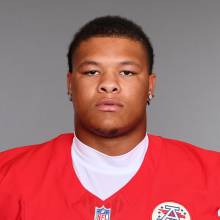 Peter Woods
While Woods didn't take the step as a pass-rusher many were hoping he would last season, he still proved to be a disruptive run defender. Now, the Clemson product heads to Kansas City, where he's projected to back up Chris Jones and Khyiris Tonga. Jones is still a good interior pass-rusher, but the 32-year-old has shown signs of slowing down and a significant regression as a run defender recently. That creates an opportunity for the Clemson product to be a key piece of the Chiefs' defensive line rotation in year one.
20
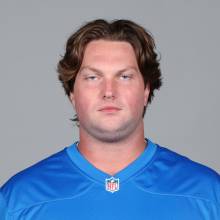 Blake Miller
Miller checks all of the boxes for a relatively high floor as an immediate starter. While his long-term ceiling is more capped than some others on this list, the right tackle will remain at the same position where he started 54 straight games at the collegiate level. He also enters the Lions' run-first, play-action oriented scheme that places him in a strong position to provide functional play in Year 1.
21
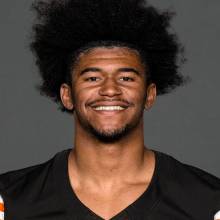 KC Concepcion
Concepcion is a well-rounded, dynamic, open-field receiver with high-impact traits and abilities. His speed, acceleration and release package will help bolster the Browns' offense. This year's 24th overall pick can win quickly off the snap and create big plays after the catch—which makes him an ideal target in today's game. Cleveland's offense could be held back by its quarterbacks again, though the quality found among the squad's wide receivers shouldn't be an excuse anymore.
22
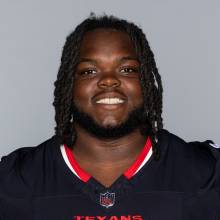 Kayden McDonald
Playing for a defensive-minded head coach in DeMeco Ryans is a good situation for McDonald's development. He was one of the best run defenders in the country last year, but his technique and pass-rush skills could use some fine-tuning. The former Buckeye projects to be an impactful player in Houston long-term, but it's hard to gauge how much playing time he'll get as a rookie. The Texans have a pair of good starting defensive tackles in Sheldon Rankins and Tommy Togiai, and Logan Hall is a solid depth piece, clouding McDonald's projection in year one.
23
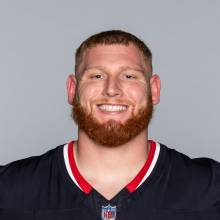 Keylan Rutledge
Rutledge is switching to a new position, which adds variance to his projection. But early reports of his play at center are positive. When those early returns are paired with his renowned football character, power and underrated athletic ability, the recipe is in place for the former Yellow Jacket to be a solid, physically imposing pivot. The Texans have struggled to provide a reliable front five for the last two seasons. Rutledge can be the anchor to solidify the entire group.
24
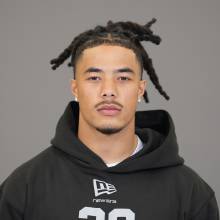 Makai Lemon
Lemon has the route-running ability and toughness to be a gritty run-after-catch slot receiver in the Eagles' offense. His presence and skill set can help Philly's short passing offense and partially fill the void left by AJ Brown after his trade to the New England Patriots. Lemon's skill set should complement DeVonta Smith's quite well.
25
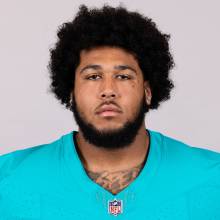 Kadyn Proctor
Proctor is switching from left tackle to left guard, while playing for what is expected to be a subpar team. However, the Dolphins should feature a run-first system, while Proctor is flanked by two quality players in left tackle Patrick Paul and second-team All-Pro center Aaron Brewer. Proctor's ceiling-floor variance is wider than most, but rare physical tools provide an enticing ceiling at guard, where he should be able to more consistently dictate terms to defenders.
26
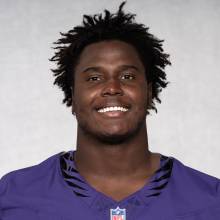 Zion Young
After Mike Green's disappointing rookie season, the Ravens were big players in the edge market this offseason. Backing out of the Maxx Crosby trade led to signing Trey Hendrickson, who enters his age-32 season after missing the majority of the 2025 campaign with an injury. While Tavius Robinson is expected to be the starter right now, it wouldn't be surprising if Young ends up winning that job and becomes the Ravens' best player at the position. He's entering a great situation, especially since the Missouri product will be playing for a creative defensive play caller in Jesse Minter.
27
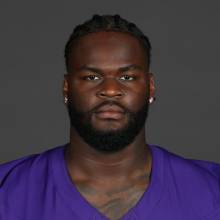 Caleb Banks
Banks is the biggest wildcard in the 2026 rookie class. He has rare movement skills for a 6-foot-6, 330-pound defensive tackle, which showed up on the 2024 tape. However, the Florida product needed to improve his technique, and multiple foot injuries prevented him from doing (or at least showing) that this past season. Banks could be the interior pass-rusher the Vikings have been looking for, or a complete bust who struggles to stay healthy and doesn't see the field much.
28
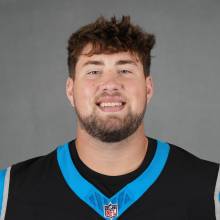 Monroe Freeling
Freeling is switching from left to right tackle as an accommodation for Taylor Moton being out indefinitely with blood clots. He will have all of camp to get comfortable on the strong side. Freeling is a toolsy, athletic blocker with prototypical size (6'7", 318 lbs) for the position, but a raw, unrefined skill-set indicates a high-variance rookie year.
29
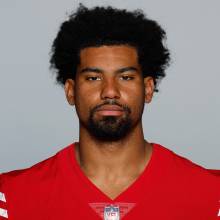 De'Zhaun Stribling
Stribling has the size (6'2", 207 lbs), strength, ball-tracking and speed to become a favorite target for quarterback Brock Purdy, even as a rookie. This year's 33rd overall draft pick is fearless working over the middle of the field and possesses the speed to take the top off defenses. He tends to get progressively better over time, too. The Niners will definitely need him since Ricky Pearsall will miss the 2026 campaign.
30
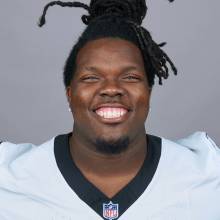 Christen Miller
There isn't much splash to Miller's game, primarily because he won't enter the NFL as a good pass-rusher, but he is a consistent and reliable run defender. The Saints' defensive tackle room is pretty weak heading into this season, especially since the one up-and-comer in the position group, Bryan Bresee, is already out for the year. That creates an opportunity for the Georgia product to be a Week 1 starter and the best interior defender in New Orleans as a rookie.
31
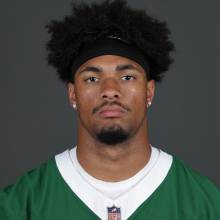 Kenyon Sadiq
The athletic ability and natural pass-catching talent are undeniable, but there are many factors counting against Kenyon Sadiq in his rookie season. Most notably, an offseason hernia surgery that has kept him sidelined at Jets camp, while second-year tight end Mason Taylor continues to get valuable reps. When he's on the field, he will be impactful, but how much will he play during his rookie season?
32
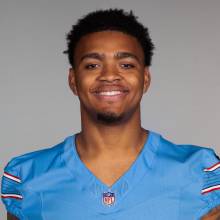 Keldric Faulk
The main reason why Faulk was a first-round pick is that he has enormous potential with his size, strength, and youth. However, the 21-year-old (turns 22 in September) is still raw and needs development. Couple that with joining a defensive line that features Jeffery Simmons, Jermaine Johnson II and John Franklin-Myers, and it's hard to see Faulk being a starter right away. Luckily, head coach Robert Saleh likes to run multiple fronts and rotate defensive linemen, giving the 31st overall pick a chance to get playing time in year one.
33
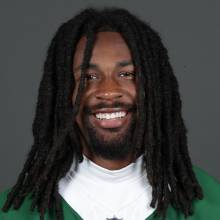 Omar Cooper Jr.
Cooper has the run-after-catch ability to bring more athleticism and toughness to the Jets' passing offense. He can be a chain-mover in the short and intermediate parts of the field to complement the more explosive Garrett Wilson and Adonai Mitchell. The Jets may not have an ideal situation with Geno Smith behind center, but the offense features a talented trio of wide receivers that should significantly help the veteran quarterback.
34
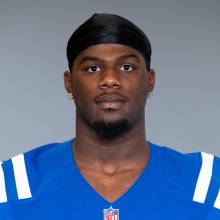 AJ Haulcy
Possessing a frame reminiscent of a linebacker, AJ Haulcy pairs elite zone awareness with remarkable downhill closing burst, offering a versatile profile for the Indianapolis secondary. Lou Anarumo can have a lot of fun with this defensive chess piece.
35
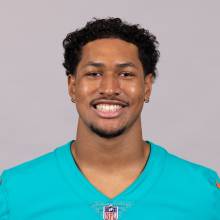 Chris Johnson
The Dolphins are in full rebuild mode and added one of the most consistent defenders in the draft. A refined technician on the perimeter, Johnson possesses the adaptability to thrive in off-man, zone, and press schemes. He'll raise the floor of their secondary quickly.
36
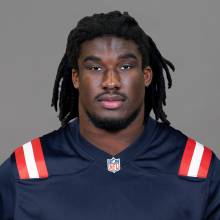 Gabe Jacas
With Harold Landry III potentially beginning the season on PUP, there's a path for Jacas to be a Week 1 starter. Also, Landry (30) isn't quite the pass-rusher he used to be, primarily winning and getting sacks on line games. A similar statement could be said about free-agent signing Dre'Mont Jones (29), creating another opportunity for the rookie to quickly climb up New England's depth chart. Plus, Jacas is a great fit as a standup linebacker in head coach Mike Vrabel's scheme.
37
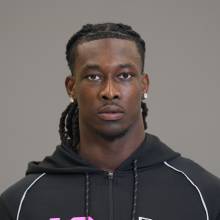 Emmanuel McNeil-Warren
A high-impact defender with a penchant for delivering punishing hits, McNeil-Warren excels at establishing a physical identity on the back end. He possesses a natural feel for the flow of the game and consistently finds ways to leave his mark on every snap. While the safety talent is high in Cleveland, he'll find ways to get on the field and learn along the way.
38
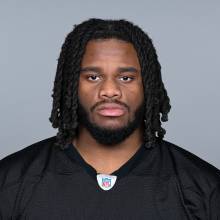 Max Iheanachor
At 6'6" and 321 pounds, with natural power and quickness, Iheanachor has high-end physical tools. However, he's a relative newcomer to football. His lack of refinement shows up with erratic technique that saps his ability to protect his frame, maintain posture and sustain. He's currently behind stopgap tackle Dylan Cook at right tackle after Troy Fautanu flipped to the left side. A good chance exists that this year's 21st overall draft pick will see the field in 2026, but most of his value will come in future seasons.
39
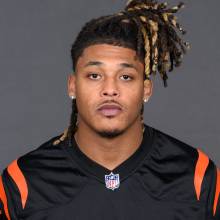 Cashius Howell
The Bengals are looking for an edge defender to step up and replace Trey Hendrickson this season and have invested a lot in the position between signing Boye Mafe in free agency this offseason and using a first-round pick on Shemar Stewart last year. That's on top of former first-rounder Myles Murphy entering a contract year. But none of those three have established themselves as sure-fire starters in the NFL, giving Howell a good chance to factor into the mix. Worst case, the 2025 SEC sack leader can at least contribute as a third-down rusher.
40
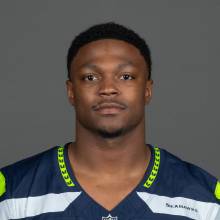 Bud Clark
Coming off a Super Bowl victory, the Seahawks added even more instinctual playmaking ability to their secondary with Bud Clark. They already have one of the best safeties in the NFL in Julian Love and Ty Okada, who they like, but Clark is a talent they'll want on the field. He takes some risks and might come along slowly in Seattle, but Mike Macdonald knows what he's doing.
41
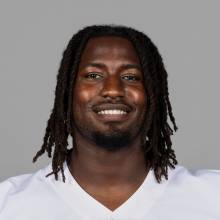 Malachi Lawrence
With the Cowboys trading for Rashan Gary during the offseason, Lawrence will have to beat out Donovan Ezeiruaku to have a starting spot in the defense's 3-4 packages. That's far from impossible, but Ezeiruaku was a solid player last year, and the UCF product might need a year or two before he's an every-down player. He should be able to contribute as a pass-rusher, but the first-string role will likely come down to which of the two young edges is the better run defender.
42
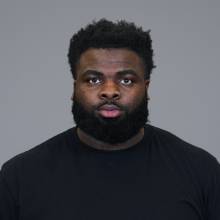 Lee Hunter
Hunter's run defense gives him a chance to be an immediate starter and two-down player in the NFL. He'll have to compete for that role with Bobby Brown III, but it helps the rookie's case that Brown began training camp on the NFI list and only played in 33 percent of the defense's snaps last season, per Pro Football Reference. Additionally, Tershawn Wharton is on PUP to clear out another spot on the interior defensive line. However, Wharton is more of a pass-rusher. But the overall point remains that Hunter has a good chance to be a contributor in year one.
43
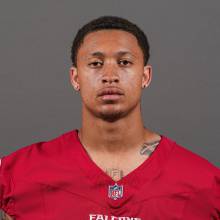 Avieon Terrell
The spot "in front" of Avieon Terrell on the Falcons depth chart is Mike Hughes, who is an experienced but below-average corner. Terrell is a competitor who showcases excellent zone coverage and plays bigger than his size. If he can snare the starting job opposite his brother, who wouldn't want to see that happen?!
44
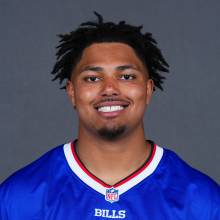 TJ Parker
It feels like Parker will likely be more of a contributor off the bench this season. The Bills have over $120 million in total contract value allocated to starting edges Greg Rousseau and Bradley Chubb, making it difficult to see how the Clemson product becomes a first-stringer as a rookie. He can still contribute as a physical edge-setter in new defensive coordinator Jim Leonhard's scheme, but Parker's playing time could be limited behind Rousseau and Chubb.
45
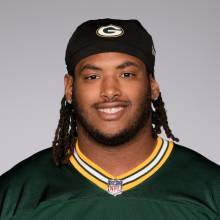 Chris McClellan
The Packers were missing Kenny Clark in the middle of their defensive line last year, and McClellan is cut from a similar cloth. That's not to say the latter will be a one-for-one replacement for the former, but the Missouri product has the combination of strength and unique movement skills for his size to contribute in both phases of the game. Especially with Javon Hargrave and Nazir Stackhouse beginning training camp on PUP, the third-round pick has an inside track to start right away.
46
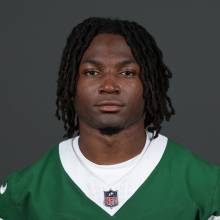 D'Angelo Ponds
While currently sidelined with a calf injury, D'Angelo Ponds will be competing for the starting nickel role in Brian Duker's defense when he returns. He's the type of competitive, athletic, and playmaking cornerback that coaches want in their secondary. While there are size and length concerns, those won't stop him from earning a role in the NFL.
47
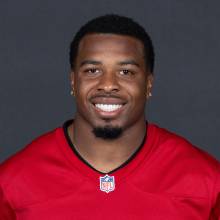 Josiah Trotter
Trotter won't replace long-time starter Lavonte David as a coverage backer right away; that's free-agent signing Alex Anzalone's job. However, Tampa's linebacker corps needed a makeover after David retired in the offseason, and the son of a four-time Pro Bowler has the instincts and overall run defense skills to be the downhill linebacker in Todd Bowles' defense. It wouldn't be surprising to see Trotter become a Week 1 starter as a rookie.
48
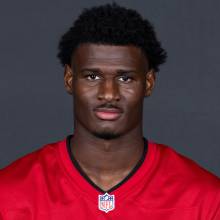 Ted Hurst III
Hurst has a great catch-radius, body control and ball skills. He dominates the catch-point in contested-catch situations. The ability to uncover on back-shoulder fades and make acrobatic catches will add a needed element to the Buccaneers' offense—something once dominated by Mike Evans, who left the organization after 12 seasons to sign as a free agent with the San Francisco 49ers. Hurst can't replace the franchise's all-time leading receiver, but he fits into the scheme well.
49
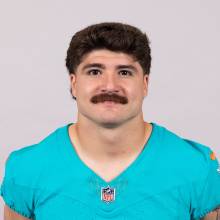 Jacob Rodriguez
While the trade rumors surrounding Jordyn Brooks have calmed down after he signed an extension in late July, there's still a chance for Rodriguez to crack the starting lineup as a rookie. Tyrel Dodson left something to be desired last year in his first season as an every-game starter. Meanwhile, the Butkus Award winner has the instincts and movement skills to contribute right away in Miami. Plus, it helps that he was a turnover machine in 2025.
50
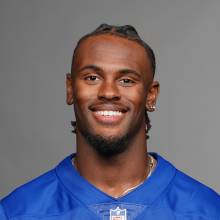 Malachi Fields
Fields has elite size (6'5", 218 lbs) and ball skills to serve as the Giants' X-receiver and pair long-term with Malik Nabers' dynamic play-style. Fields will add a confident vertical threat down the field, where he can replace Darius Slayton in that role. Furthermore, the Giants should lean heavily on their young targets after scrambling to fill out the wide receiver room by signing Odell Beckham Jr. and JuJu Smith-Schuster.
51
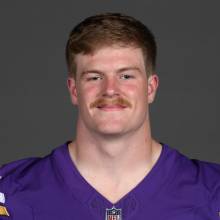 Jake Golday
Skill-wise, Golday enters a great system where Brian Flores can take advantage of his versatility by lining up the former Bearcat on the edge, blitzing him or dropping him in coverage. However, Flores' system is very complicated and features a wide variety of looks, pressures and coverages that can be overwhelming for veteran linebackers. Let alone a rookie who is still new to the position after being an edge defender to begin his career, and whose instincts are still a work in progress.
52
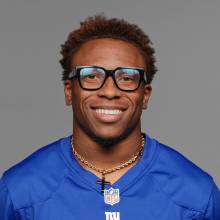 Colton Hood
While he isn't cemented as a starter for the Giants, it won't be long until Colton Hood is playing alongside Paulson Adebo. He's a high-level competitor and will allow the Giants to play more man coverage, but he needs to grow as a zone corner. The first few games could be bumpy, but he's got a great chance to find his feet early on.
53
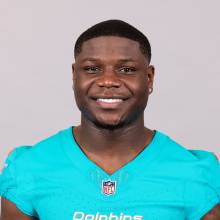 Chris Bell
Bell is a powerful pass-catcher who welcomes contact. He possesses a physical and dense frame, allowing him to pinball off would-be tackles in space. Once fully healthy after a torn ACL, he brings WR1-level physical talent and upside to Miami. The Dolphins desperately need someone to step up at wide receiver, too, since no one on the roster managed more than 317 receiving yards last season.
54
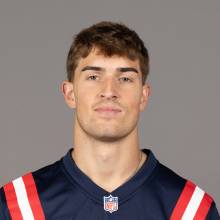 Eli Raridon
Already finding his footing with the Patriots offense, Eli Raridon will start the season as the likely "backup" to Hunter Henry. He's the logical choice to take the field in 12 personnel, and while Henry still has excellent chemistry with Drake Maye, expect Raridon to earn looks quickly.
55
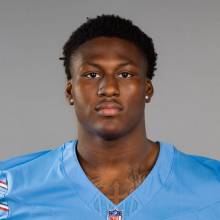 Anthony Hill Jr.
While B/R walked away from the NFL1000 project more impressed with Cody Barton than expected, it's hard to deny the fact that the Titans have a new coaching staff and used a second-round pick on Hill. The Texas product's downhill run defense skills likely caught Robert Saleh's eye during the draft, giving him an opportunity to start right away and form a young, up-and-coming linebacker corps with Cedric Gray.
56
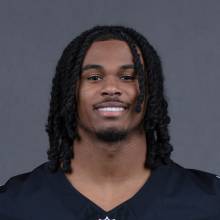 Jermod McCoy
Perhaps one of the largest ranges of outcomes among the list comes from Jermod McCoy. He's one of the most talented players from the draft and was recently medically cleared by the Raiders. His explosive talent is a risk the Raiders needed to take for their secondary, and if he gets his feet under him, could be a lightning bolt for their defense.
57
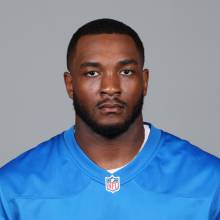 Derrick Moore
The Lions finding an edge rusher to play on the other side of Aidan Hutchinson has been a talking point for a few years now, and it appears as if they've gotten their guy in Moore. He'll still have to beat out free-agent signing DJ Wonnum, but the Michigan product's physical playing style should fit right in with the gritty culture that Dan Campbell has built over the last few years. Plus, it helps that Moore built on his pass-rush arsenal last year in Ann Arbor, allowing him to jump from four sacks in 2024 to 10 last season.
58
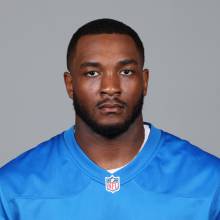 Antonio Williams
Williams is an elusive run-after-catch threat, who projects as a productive slot receiver for the Commanders. His work to exploit and attack zone coverages will mesh well with the veteran receivers in that offense. Though Stefon Diggs' recent arrival likely tempers excitement for Williams since their skill sets overlap to a degree.
59
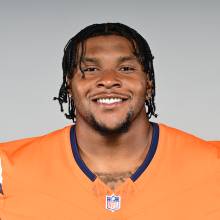 Tyler Onyedim
Despite losing John Franklin-Myers in free agency, the Broncos don't need Onyedim to start right away with Zach Allen, DJ Jones and Malcolm Roach still in the fold. But Denver's coaching staff is likely looking for the rookie to replace what Franklin-Myers brought as an interior pass-rusher. The Texas A&M product has the quickness and lateral movement skills to beat offensive linemen across their faces and contribute in that role right away if his use of hands improves.
60
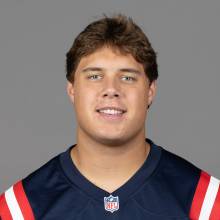 Caleb Lomu
At right tackle, Lomu is primarily working at a position he didn't play in college. Though he's projected to be the primary backup at both of the Patriots' tackle spots this fall. Lomu needs more weight to fill out his frame and help boost his play-strength. He's an excellent athlete with the length and movement skills in pass protection to develop into a solid starter as Morgan Moses' eventual replacement.
61
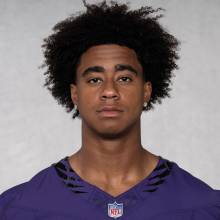 Ja'Kobi Lane
Lane has the size and catch-radius to add a much-needed contested-catch threat in the Ravens' offense. Lane has been a revelation during training camp, though that doesn't always translate to the regular season. Still, he's a big-bodied target (6'4", 200 lbs) to complement Zay Flowers and Rashod Bateman.
62
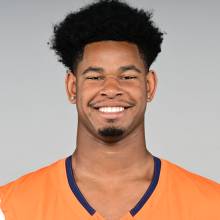 Justin Joly
Justin Joly's landing spot was a great one, as Sean Payton is known for getting the tight end involved in the offense. However, he's yet to really earn reps with the first-team offense during training camp, and will be stuck behind trusted blocker Adam Trautman. Beating Evan Engram for pass-catching snaps will be his best bet to make an impact as a rookie.
63
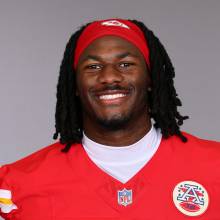 R Mason Thomas
Thomas is a tough projection because he doesn't really fit Steve Spagnuolo's preference for the edge position, with the defensive coordinator typically leaning toward bigger-bodied defensive ends who are physical and can set the edge against the run. That's the type of player George Karlaftis and Ashton Gillotte are. However, Karlaftis and Gillotte also leave something to be desired as pass-rushers, giving Thomas a chance to contribute on third downs in year one with his athleticism and ability to get pressure on the quarterback.
64
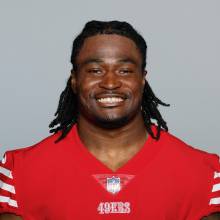 Kaelon Black
Black runs with the foot quickness and low center of gravity to force missed tackles—which allows him to always fall forward through contact. He has the talent and decisiveness as a runner to be a functionally productive rotational back and help alleviate some of Christian McCaffrey's workload.
65
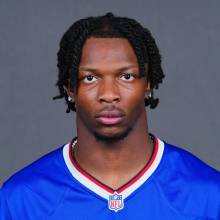 Davison Igbinosun
The road to the field for Igbinosun is logjammed in Buffalo, but Maxwell Hairston, a former first-round corner, missed significant time with an injury last season and has been dealing with a leg issue during training camp. Igbinosun has been an iron man across his collegiate career and has the physicality, tackling chops, and football IQ to fight for a starting job.
66
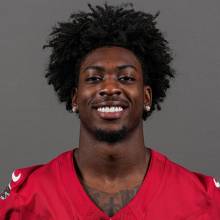 Zachariah Branch
Branch has the top-end speed and twitch to create explosive plays from anywhere on the field. His athletic traits and playmaking ability are a nice change of pace for the Falcons' offense, as a complementary piece alongside fellow receiver Drake London and tight end Kyle Pitts. New head coach/offensive play-caller Kevin Stefanski brings the type of passing game where he can manufacture touches for the rookie target, too.
67
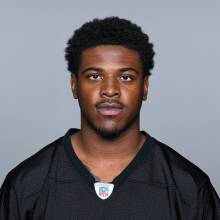 Germie Bernard
Bernard adds a physical and intelligent receiving threat to thrive in the middle of the field for the Steelers. He's relatively sure-handed and knows how to find open grass within the defensive coverage. After the Steelers missed out on selecting Makai Lemon in the first round, the front office regrouped and made sure to draft Bernard in the second. He should fit nicely alongside DK Metcalf and Michael Pittman Jr.
68
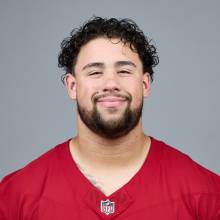 Chase Bisontis
Bisontis is getting some run with the starters early in training camp, but he's expected to open the year as Arizona's top interior backup to Isaiah Adams and Isaac Seumalo. Bisontis isn't as physically imposing as Adams but offers solid play-strength with more fluid movement skills to lean on if he eventually finds his way onto the field as a rookie.
69
 Domonique Orange
While the Vikings have a couple of young, promising defensive tackles in Jalen Redmond and fellow rookie Caleb Banks, there's still a chance for Orange to have a significant role in Brian Flores' 3-4 packages this season. The rookie will have to beat out Levi Drake Rodriguez, who has fewer than 500 defensive snaps under his belt during his two NFL seasons, per Pro Football Reference. Orange has the run-stuffing ability to win that job and contribute in year one.
70
 Treydan Stukes
An electric playmaker with range and ball skills to match, the Raiders did their homework when bringing Treydan Stukes into the fold. He's a chance-taking presence in the secondary, and that can come with some costly mistakes, but it's only a matter of time before he gets on the field. Though he's still got some work to do in beating out Taron Johnson at the nickel spot in Rob Leonard's defense.
71
 Cyrus Allen
Allen has the route-running chops and athleticism to create separation in the short, intermediate and deep areas of the field. His ability to separate from man-coverage will give the Chiefs' passing offense a weapon who doesn't need to be heavily schemed open. Allen, who wasn't invited to this year's NFL Scouting Combine, can be an impact player in Year 1 even as a fifth-round rookie.
72
 Jakobe Thomas
One of the more underrated players with an opportunity to make an NFL impact, Jakobe Thomas is just the type of player Brian Flores loves to utilize. He's a downhill dynamo with hard-hitting ability and does a great job as a robber in the middle of the field. With Harrison Smith retiring and Josh Metellus as the veteran in the room, Thomas has a real opportunity to make an early impact.
73
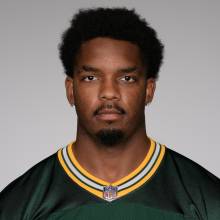 Dani Dennis-Sutton
With Micah Parsons likely beginning the season on PUP, and Lukas Van Ness still needing to prove himself in the NFL, there's an outside shot Dennis-Sutton is a Week 1 starter for the Packers. He could afford to add some twitch to be a productive pass-rusher at the next level, but the Penn State product's size, strength and physicality give him a chance to be an immediate contributor in Green Bay.
74
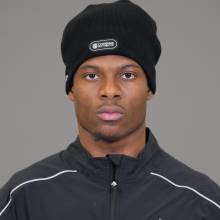 Hezekiah Masses
Masses has been rotating opposite Eric Stokes in training camp and earning reps. His instinctual nature helps him in camp, but his limited frame and ball-tracking could pose problems against NFL receivers.
75
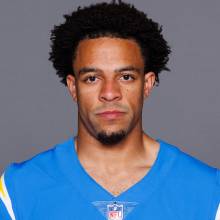 Brenen Thompson
Thompson has elite top-end speed to stack cornerbacks and take the top off defenses routinely, pairing well with the aggressive passing style of Chargers' quarterback Justin Herbert. Also, new Chargers offensive coordinator Mike McDaniel loves speed. The play-caller will almost certainly find ways to get the ball into Thompson's hands.
76
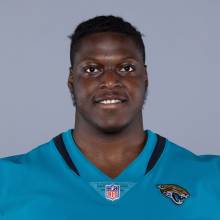 Emmanuel Pregnon
Pregnon offers the Jaguars more power and size (6'4", 314 lbs) than most of their offensive linemen, while providing real thump and people-moving ability in the run game. So far in camp, the third-round rookie is firmly planted as a backup. He will need time to figure out his technique and adjust to the quality of NFL rushers as a pass protector. Even so, his high-end size and raw power give this unit a much-needed presence along the interior and a potential long-term answer at one of the guard spots.
77
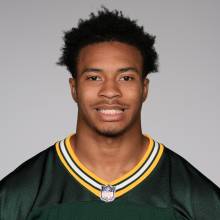 Brandon Cisse
Brandon Cisse has exceptional lateral and downhill explosion that he uses to trigger on perimeter runs/screens and maintain sticky man coverage. The Packers have a few experienced options in the cornerback room, but Jonathan Gannon is entering his first season as the Packers' defensive coordinator and could shake things up. Cisse has been impressive during camp and is an exciting bet for a secondary that needs it.
78
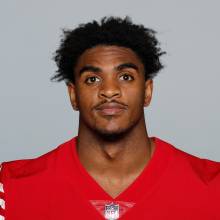 Romello Height
Point blank, the 49ers need a pass-rusher to step up and complement Nick Bosa, especially since Bosa is coming off another torn ACL. While Height leaves something to be desired against the run, he can fill the aforementioned role and might be the best option for it in San Francisco. Don't expect the Texas Tech product to start as a rookie, but his quickness and pass-rush chops give him an opportunity to contribute on third downs right away.
79
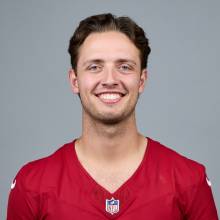 Carson Beck
The 24-year-old Beck has the collegiate starting experience to run the Cardinals' offense and serve as a game manager thanks to his accuracy and ball placement. At some point during the 2026 campaign, Beck should start. Arizona won't be moving forward with either Jacoby Brissett or Gardner Minshew II. The third-round rookie must play to either A) prove he can be the long-term solution or B) confirm the Cardinals will be in the quarterback market next offseason.
80
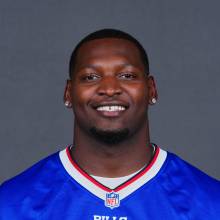 Zane Durant
Durant might have been a fifth-round pick, but it wouldn't be surprising to see him become a starter as a rookie in Buffalo. He's a great fit as a 4i-technique in a 3-4 defense, which new defensive coordinator Jim Leonhard is expected to run. Also, Ed Oliver has struggled to stay healthy over the last few years, and 2025 second-rounder T.J. Sanders is coming off a terrible rookie season. Look for the Penn State product to outplay his draft slot in year one.
81
 Gennings Dunker
Dunker is making the transition inside to guard after serving as Iowa's right tackle over the last three seasons. He currently finds himself in a backup role. However, an opportunity to win the right guard job exists. Dunker is a hulking, powerful blocker with renowned competitive toughness, which can lead to becoming a serviceable starter if he learns to work around lower-body stiffness and mediocre body control with sound, consistent technique.
82
 Mike Washington Jr.
Washington has the size (6'1", 223 lbs), power and speed to add a physical running element to the Raiders' ground game behind last year's sixth overall draft pick, Ashton Jeanty. After a somewhat disappointing rookie season, Jeanty decided to slim down this offseason. Washington can now serve as the hammer in the Raiders' offense.
83
 Zavion Thomas
Thomas is a do-it-all offensive weapon, who can play both wide receiver and running back. He should contribute on special teams as well. His short-area quickness and top-end speed give Bears quarterback Caleb Williams another passing threat with run-after-catch upside. Chicago doesn't need Thomas to replace DJ Moore, who was traded in the offseason, but the WR unit does lack a legitimate third option.
84
 Chandler Rivers
Jesse Minter takes over in Baltimore, bringing his impressive defensive resume to a defense that needs it. While Chandler Rivers might have a few players in front of him on the depth chart, his versatility, football IQ, and playmaking ability are showing themselves at Ravens camp. He's an undersized corner and could get abused on the outside, but he's in one of the best spots to utilize his abilities.
85
 Jadon Canady
There's a nickel battle brewing in Kansas City and Jadon Canady is in the middle of it. He's got a nose for the football and plays bigger than he is, which is something the defensive staff in KC love and need. He's been turning heads in training camp, and while he's a smaller defender that could struggle to tackle, his juice and turnover potential make him a strong candidate.
86
 Gracen Halton
While the 49ers drafted a pair of young defensive tackles in Alfred Collins and C.J. West last year, those two entered the league as better run defenders than pass-rushers. Meanwhile, Halton is the opposite, giving him a chance to complement either Collins or West. Granted, San Francisco also traded for Osa Odighizuwa, who's a good interior pass-rusher, in the offseason. Odighizuwa's presence clouds the rookie's projection heading into year one, but there is a chance Halton carves out a role this season.
87
 Bryce Boettcher
It might not be right away, but the Colts' linebacker room is so weak that Boettcher could end up making a fair amount of starts in year one. Fellow rookie CJ Allen (second round) is expected to hold down one of the two first-string spots, but the fourth-rounder could beat out Akeem Davis-Gaither for the other opening on Indianapolis' defense. Davis-Gaither does have an edge since he's familiar with Lou Anarumo's scheme, going back to their days with the Cincinnati Bengals. The veteran linebacker is about to play for his third team in as many years and is far from a shoo-in as a starter.
88
 Markel Bell
Bell is in a great position after joining one of the league's most accomplished and talented O-line rooms, while learning from the Eagles' elite-level tackles in Jordan Mailata and Lane Johnson. Bell's massive presence (6'9", 346 lbs) and light feet offer the makings of a long-time swing tackle and potentially more after working alongside a premier duo.
89
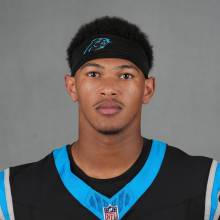 Zakee Wheatley
Consistently around the football in the Hall of Fame game with eight tackles and a forced fumble, Zakee Wheatley showed up in his first NFL action. The roster is ripe with safety talent in Carolina, but Wheatley was causing turnovers in camp and brings the tackling mentality that NFL defenses need. It could be hard for him to crack the field as a rookie, but if/when he does, don't be surprised.
90
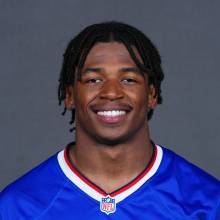 Skyler Bell
Bell has the route-running quicks and separation ability to develop into a reliable weapon for quarterback Josh Allen. He can play on the outside and inside if called upon. Though a pathway toward significant usage may be difficult to navigate with DJ Moore, Khalil Shakir and Joshua Palmer on the roster. Plus, the Bills will likely give Keon Coleman one more chance to make an impact.
91
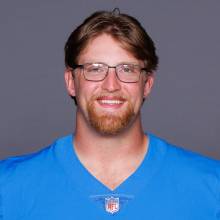 Jake Slaughter
Slaughter is making the switch from center to guard as a pro, which is a little bit of a peculiar move considering his closer-to-average physical traits. Ultimately, the experience should improve his chances of settling in as a swing interior backup and bolstering the depth on a unit that was ravaged by injuries during the 2025 campaign. Though the Chargers may eventually expect more after investing a second-round draft pick in the two-time All-SEC performer.
92
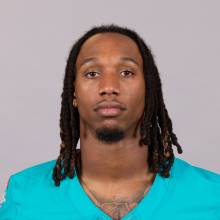 Caleb Douglas
Douglas has the size (6'4", 206 lbs) and build-up speed to become a consistent outside/perimeter threat for what could be an aggressive Dolphins' passing attack, with a big-armed quarterback in Malik Willis behind center. On paper, Miami features the league's worst group of wide receivers. The organization felt strongly enough to make Douglas a Day 2 draft pick. He will receive plenty of opportunities in Year 1.
93
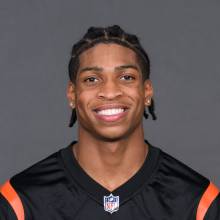 Tacario Davis
Bringing a different body type to the Bengals corner room, Tacario Davis might just be the answer to the CB2 discussion. His impressive length, run game ability, and press-coverage tools give him a different path to success that Cincinnati has needed. While Dax Hill looks to be getting the shot to start once again, Davis is in position to contribute, but NFL athletes could be trouble for him.
94
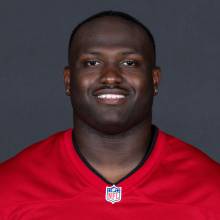 DeMonte Capehart
The biggest variable (literally and figuratively) in Capehart's ability to contribute for the Buccaneers in year one is whether or not Vita Vea is still going to be on the roster. If Vea gets traded, the Clemson product has the run defense skills to take over as Tampa Bay's nose tackle and carve out a role as a rookie. If not, then he'll likely be pretty quiet in year one.
95
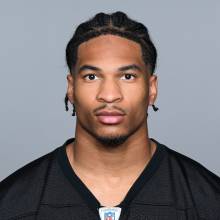 Daylen Everette
The Steelers have two starting-caliber corners ahead of Everette on the roster, but Joey Porter Jr has started training camp on the PUP (physically unable to perform) list. Everette thrives in man coverage, where he can smartly use his hands to press or re-route receivers and mirror their movements. He has a knack for making plays, but it'll likely take an injury for him to get on the field this season.
96
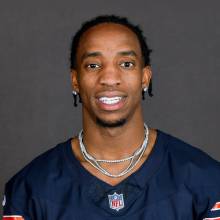 Malik Muhammad
Injuries have plagued the Bears' secondary for years, and while the talent is certainly there already, adding Malik Muhammad to the mix is a great insurance policy. He's a pitbull on the perimeter with physicality and length to match up. He's currently slotted as a perimeter backup, but don't be shocked if he gets reps in the nickel this season with Kyler Gordon continuing to deal with injuries.
97
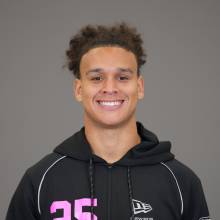 Eli Stowers
Many have been writing the end of Dallas Goedert in Philadelphia for years, but the heir-apparent has arrived in Eli Stowers. He's a yards-after-the-catch maven with impressive movement skills, but he'll find the NFL blocking scheme and the challenge more difficult due to his size. He's going to need to put some healthy weight on in the weight room and get stronger, but he can find a way to impact the passing game soon.
98
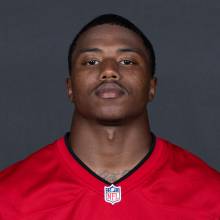 Keionte Scott
Todd Bowles is one of the most notorious blitzers in the NFL, and he just landed the most disruptive nickel of the 2026 draft. His coverage ability is still a question mark, but he's going to bring it in the run game and get after the quarterback. The secondary is currently stacked with talent in Tampa, and second-year nickel Jacob Parrish is coming off an impressive rookie season, but they'll find a way to get Scott involved.
99
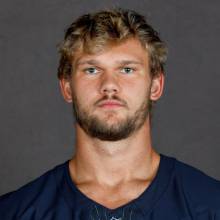 Sam Roush
Setting the table to run more 13 personnel in the history of the NFL (slightly kidding), the Bears added Sam Roush to an already strong tight end room. He's an extremely versatile player and is already getting camp reps with the first-team offense. He's going to be an impactful blocker and offensive weapon with all three tight ends on the field and should see snaps quickly to start his career.
14
Fernando Mendoza
Mendoza is an accurate, high football-IQ quarterback, who can be surgical from clean pockets while bringing the leadership and toughness a struggling franchise like the Raiders desperately need. However, the organization has a plan to start veteran Kirk Cousins at the onset of the 2026 campaign. Mendoza should be expected to start at some point as a rookie. When and where that happens remains in question.
79
Carson Beck
The 24-year-old Beck has the collegiate starting experience to run the Cardinals' offense and serve as a game manager thanks to his accuracy and ball placement. At some point during the 2026 campaign, Beck should start. Arizona won't be moving forward with either Jacoby Brissett or Gardner Minshew II. The third-round rookie must play to either A) prove he can be the long-term solution or B) confirm the Cardinals will be in the quarterback market next offseason.
2
Jadarian Price
Price is a nuanced, natural running back prospect with outstanding vision to find daylight beyond the line of scrimmage. He has the foot quickness and shiftiness at the line of scrimmage to make defenders miss and be a highly productive runner in the Seahawks' wide-zone-oriented running offense, particularly after Kenneth Walker III's departure in free agency and Zach Charbonnet's continued recovery from an ACL tear he suffered in January. As such, Price has a wide open lane to be an offensive focal point for the reigning Super Bowl champs.
7
Jeremiyah Love
Love is a dynamic and explosive running back with a complete three-down skill set to serve as a tone-setter and create big plays. He is a dangerous runner and receiver, making the Cardinals' play-caller's job easier when he's on the field. Arizona's backfield is crowded with James Conner, Tyler Allgeier and Bam Knight on the roster. But the organization didn't draft Love with this year's third overall pick for the offense not to run through him, especially considering the team's suspect quarterback situation.
64
Kaelon Black
Black runs with the foot quickness and low center of gravity to force missed tackles—which allows him to always fall forward through contact. He has the talent and decisiveness as a runner to be a functionally productive rotational back and help alleviate some of Christian McCaffrey's workload.
82
Mike Washington Jr.
Washington has the size (6'1", 223 lbs), power and speed to add a physical running element to the Raiders' ground game behind last year's sixth overall draft pick, Ashton Jeanty. After a somewhat disappointing rookie season, Jeanty decided to slim down this offseason. Washington can now serve as the hammer in the Raiders' offense.
5
Jordyn Tyson
Tyson is a twitchy and dynamic route-runner, who presents a three-level receiver threat for New Orleans' passing offense. He has the speed and raw physical tools to take over and elevate the offense when featured. Tyson does present WR1 ability. However, injuries held him back at the collegiate level. Now, he can immediately enter the Saints' offense and provide a big-play threat alongside Chris Olave.
8
Carnell Tate
Tate is a route-running tactician, with a savvy and veteran-like feel to his game. He possesses the springy leaping ability and outstanding ball-skills to be a reliable full-field target for quarterback Cam Ward. The relationship between this year's fourth overall pick and last year's No. 1 selection is vital to get Tennessee's passing attack on track. Little stands in the way of Tate not being the Titans' top receiving threat from Day 1.
15
Denzel Boston
Boston has the prototypical X-receiver build and frame to be a consistent contested catch threat down the field for the Browns. He also possesses incredible body-control and ball skills to be a trustworthy target—which is why he ranks slightly higher than his teammate and fellow rookie, KC Concepcion, despite being drafted 15 picks later.
21
KC Concepcion
Concepcion is a well-rounded, dynamic, open-field receiver with high-impact traits and abilities. His speed, acceleration and release package will help bolster the Browns' offense. This year's 24th overall pick can win quickly off the snap and create big plays after the catch—which makes him an ideal target in today's game. Cleveland's offense could be held back by its quarterbacks again, though the quality found among the squad's wide receivers shouldn't be an excuse anymore.
24
Makai Lemon
Lemon has the route-running ability and toughness to be a gritty run-after-catch slot receiver in the Eagles' offense. His presence and skill set can help Philly's short passing offense and partially fill the void left by AJ Brown after his trade to the New England Patriots. Lemon's skill set should complement DeVonta Smith's quite well.
29
De'Zhaun Stribling
Stribling has the size (6'2", 207 lbs), strength, ball-tracking and speed to become a favorite target for quarterback Brock Purdy, even as a rookie. This year's 33rd overall draft pick is fearless working over the middle of the field and possesses the speed to take the top off defenses. He tends to get progressively better over time, too. The Niners will definitely need him since Ricky Pearsall will miss the 2026 campaign.
33
Omar Cooper Jr.
Cooper has the run-after-catch ability to bring more athleticism and toughness to the Jets' passing offense. He can be a chain-mover in the short and intermediate parts of the field to complement the more explosive Garrett Wilson and Adonai Mitchell. The Jets may not have an ideal situation with Geno Smith behind center, but the offense features a talented trio of wide receivers that should significantly help the veteran quarterback.
48
Ted Hurst III
Hurst has a great catch-radius, body control and ball skills. He dominates the catch-point in contested-catch situations. The ability to uncover on back-shoulder fades and make acrobatic catches will add a needed element to the Buccaneers' offense—something once dominated by Mike Evans, who left the organization after 12 seasons to sign as a free agent with the San Francisco 49ers. Hurst can't replace the franchise's all-time leading receiver, but he fits into the scheme well.
50
Malachi Fields
Fields has elite size (6'5", 218 lbs) and ball skills to serve as the Giants' X-receiver and pair long-term with Malik Nabers' dynamic play-style. Fields will add a confident vertical threat down the field, where he can replace Darius Slayton in that role. Furthermore, the Giants should lean heavily on their young targets after scrambling to fill out the wide receiver room by signing Odell Beckham Jr. and JuJu Smith-Schuster.
53
Chris Bell
Bell is a powerful pass-catcher who welcomes contact. He possesses a physical and dense frame, allowing him to pinball off would-be tackles in space. Once fully healthy after a torn ACL, he brings WR1-level physical talent and upside to Miami. The Dolphins desperately need someone to step up at wide receiver, too, since no one on the roster managed more than 317 receiving yards last season.
58
Antonio Williams
Williams is an elusive run-after-catch threat, who projects as a productive slot receiver for the Commanders. His work to exploit and attack zone coverages will mesh well with the veteran receivers in that offense. Though Stefon Diggs' recent arrival likely tempers excitement for Williams since their skill sets overlap to a degree.
61
Ja'Kobi Lane
Lane has the size and catch-radius to add a much-needed contested-catch threat in the Ravens' offense. Lane has been a revelation during training camp, though that doesn't always translate to the regular season. Still, he's a big-bodied target (6'4", 200 lbs) to complement Zay Flowers and Rashod Bateman.
66
Zachariah Branch
Branch has the top-end speed and twitch to create explosive plays from anywhere on the field. His athletic traits and playmaking ability are a nice change of pace for the Falcons' offense, as a complementary piece alongside fellow receiver Drake London and tight end Kyle Pitts. New head coach/offensive play-caller Kevin Stefanski brings the type of passing game where he can manufacture touches for the rookie target, too.
67
Germie Bernard
Bernard adds a physical and intelligent receiving threat to thrive in the middle of the field for the Steelers. He's relatively sure-handed and knows how to find open grass within the defensive coverage. After the Steelers missed out on selecting Makai Lemon in the first round, the front office regrouped and made sure to draft Bernard in the second. He should fit nicely alongside DK Metcalf and Michael Pittman Jr.
71
Cyrus Allen
Allen has the route-running chops and athleticism to create separation in the short, intermediate and deep areas of the field. His ability to separate from man-coverage will give the Chiefs' passing offense a weapon who doesn't need to be heavily schemed open. Allen, who wasn't invited to this year's NFL Scouting Combine, can be an impact player in Year 1 even as a fifth-round rookie.
75
Brenen Thompson
Thompson has elite top-end speed to stack cornerbacks and take the top off defenses routinely, pairing well with the aggressive passing style of Chargers' quarterback Justin Herbert. Also, new Chargers offensive coordinator Mike McDaniel loves speed. The play-caller will almost certainly find ways to get the ball into Thompson's hands.
83
Zavion Thomas
Thomas is a do-it-all offensive weapon, who can play both wide receiver and running back. He should contribute on special teams as well. His short-area quickness and top-end speed give Bears quarterback Caleb Williams another passing threat with run-after-catch upside. Chicago doesn't need Thomas to replace DJ Moore, who was traded in the offseason, but the WR unit does lack a legitimate third option.
90
Skyler Bell
Bell has the route-running quicks and separation ability to develop into a reliable weapon for quarterback Josh Allen. He can play on the outside and inside if called upon. Though a pathway toward significant usage may be difficult to navigate with DJ Moore, Khalil Shakir and Joshua Palmer on the roster. Plus, the Bills will likely give Keon Coleman one more chance to make an impact.
92
Caleb Douglas
Douglas has the size (6'4", 206 lbs) and build-up speed to become a consistent outside/perimeter threat for what could be an aggressive Dolphins' passing attack, with a big-armed quarterback in Malik Willis behind center. On paper, Miami features the league's worst group of wide receivers. The organization felt strongly enough to make Douglas a Day 2 draft pick. He will receive plenty of opportunities in Year 1.
31
Kenyon Sadiq
The athletic ability and natural pass-catching talent are undeniable, but there are many factors counting against Kenyon Sadiq in his rookie season. Most notably, an offseason hernia surgery that has kept him sidelined at Jets camp, while second-year tight end Mason Taylor continues to get valuable reps. When he's on the field, he will be impactful, but how much will he play during his rookie season?
54
Eli Raridon
Already finding his footing with the Patriots offense, Eli Raridon will start the season as the likely "backup" to Hunter Henry. He's the logical choice to take the field in 12 personnel, and while Henry still has excellent chemistry with Drake Maye, expect Raridon to earn looks quickly.
62
Justin Joly
Justin Joly's landing spot was a great one, as Sean Payton is known for getting the tight end involved in the offense. However, he's yet to really earn reps with the first-team offense during training camp, and will be stuck behind trusted blocker Adam Trautman. Beating Evan Engram for pass-catching snaps will be his best bet to make an impact as a rookie.
97
Eli Stowers
Many have been writing the end of Dallas Goedert in Philadelphia for years, but the heir-apparent has arrived in Eli Stowers. He's a yards-after-the-catch maven with impressive movement skills, but he'll find the NFL blocking scheme and the challenge more difficult due to his size. He's going to need to put some healthy weight on in the weight room and get stronger, but he can find a way to impact the passing game soon.
99
Sam Roush
Setting the table to run more 13 personnel in the history of the NFL (slightly kidding), the Bears added Sam Roush to an already strong tight end room. He's an extremely versatile player and is already getting camp reps with the first-team offense. He's going to be an impactful blocker and offensive weapon with all three tight ends on the field and should see snaps quickly to start his career.
17
Spencer Fano
Fano's fluid movement skills and relentless motor will help him stay in-phase and attached to blocks, but his leaner, sawed-off build raises questions about how consistently he will generate displacement and anchor against NFL power. The reigning Outland Trophy winner is also a part of a revamped offensive line that lacks continuity—regarding personnel and the coaching staff—which adds variance to his 2026 projection. To top it all off, Fano will make the switch from right to left tackle in the Browns' offense.
20
Blake Miller
Miller checks all of the boxes for a relatively high floor as an immediate starter. While his long-term ceiling is more capped than some others on this list, the right tackle will remain at the same position where he started 54 straight games at the collegiate level. He also enters the Lions' run-first, play-action oriented scheme that places him in a strong position to provide functional play in Year 1.
28
Monroe Freeling
Freeling is switching from left to right tackle as an accommodation for Taylor Moton being out indefinitely with blood clots. He will have all of camp to get comfortable on the strong side. Freeling is a toolsy, athletic blocker with prototypical size (6'7", 318 lbs) for the position, but a raw, unrefined skill-set indicates a high-variance rookie year.
38
Max Iheanachor
At 6'6" and 321 pounds, with natural power and quickness, Iheanachor has high-end physical tools. However, he's a relative newcomer to football. His lack of refinement shows up with erratic technique that saps his ability to protect his frame, maintain posture and sustain. He's currently behind stopgap tackle Dylan Cook at right tackle after Troy Fautanu flipped to the left side. A good chance exists that this year's 21st overall draft pick will see the field in 2026, but most of his value will come in future seasons.
60
Caleb Lomu
At right tackle, Lomu is primarily working at a position he didn't play in college. Though he's projected to be the primary backup at both of the Patriots' tackle spots this fall. Lomu needs more weight to fill out his frame and help boost his play-strength. He's an excellent athlete with the length and movement skills in pass protection to develop into a solid starter as Morgan Moses' eventual replacement.
88
Markel Bell
Bell is in a great position after joining one of the league's most accomplished and talented O-line rooms, while learning from the Eagles' elite-level tackles in Jordan Mailata and Lane Johnson. Bell's massive presence (6'9", 346 lbs) and light feet offer the makings of a long-time swing tackle and potentially more after working alongside a premier duo.
4
Vega Ioane
Ioane has the size (6'4", 320 lbs), patience, balance and power profile to set a firm anchor to stabilize the pocket and be a tone-setter in the Ravens' zone-oriented, play-action based run scheme. His addition along Baltimore's offensive interior should help offset the free-agent loss of three-time Pro Bowl center Tyler Linderbaum, while providing the Ravens with a legitimate physical presence.
10
Francis Mauigoa
Mauigoa is a densely-built blocker with excellent play-strength, point-of-attack power and a commanding anchor. He can generate displacement in the run game and halt a defender's bull-rush, while his closer-to-average movement skills will be mitigated with the move inside to guard. Eventually, Mauigoa may return to right tackle. However, the Giants signed Jermaine Eluemunor to a three-year contract extension this offseason.
23
Keylan Rutledge
Rutledge is switching to a new position, which adds variance to his projection. But early reports of his play at center are positive. When those early returns are paired with his renowned football character, power and underrated athletic ability, the recipe is in place for the former Yellow Jacket to be a solid, physically imposing pivot. The Texans have struggled to provide a reliable front five for the last two seasons. Rutledge can be the anchor to solidify the entire group.
25
Kadyn Proctor
Proctor is switching from left tackle to left guard, while playing for what is expected to be a subpar team. However, the Dolphins should feature a run-first system, while Proctor is flanked by two quality players in left tackle Patrick Paul and second-team All-Pro center Aaron Brewer. Proctor's ceiling-floor variance is wider than most, but rare physical tools provide an enticing ceiling at guard, where he should be able to more consistently dictate terms to defenders.
68
Chase Bisontis
Bisontis is getting some run with the starters early in training camp, but he's expected to open the year as Arizona's top interior backup to Isaiah Adams and Isaac Seumalo. Bisontis isn't as physically imposing as Adams but offers solid play-strength with more fluid movement skills to lean on if he eventually finds his way onto the field as a rookie.
76
Emmanuel Pregnon
Pregnon offers the Jaguars more power and size (6'4", 314 lbs) than most of their offensive linemen, while providing real thump and people-moving ability in the run game. So far in camp, the third-round rookie is firmly planted as a backup. He will need time to figure out his technique and adjust to the quality of NFL rushers as a pass protector. Even so, his high-end size and raw power give this unit a much-needed presence along the interior and a potential long-term answer at one of the guard spots.
81
Gennings Dunker
Dunker is making the transition inside to guard after serving as Iowa's right tackle over the last three seasons. He currently finds himself in a backup role. However, an opportunity to win the right guard job exists. Dunker is a hulking, powerful blocker with renowned competitive toughness, which can lead to becoming a serviceable starter if he learns to work around lower-body stiffness and mediocre body control with sound, consistent technique.
91
Jake Slaughter
Slaughter is making the switch from center to guard as a pro, which is a little bit of a peculiar move considering his closer-to-average physical traits. Ultimately, the experience should improve his chances of settling in as a swing interior backup and bolstering the depth on a unit that was ravaged by injuries during the 2025 campaign. Though the Chargers may eventually expect more after investing a second-round draft pick in the two-time All-SEC performer.
6
Rueben Bain Jr.
Bain's lack of length was a hot topic of discussion last year and led to him sliding in the draft a bit despite being one of the most disruptive defensive players in College Football. The Miami product's ability to turn speed to power as a pass-rusher and make plays as a run defender should help him overcome any physical limitations in year one, though. Plus, it helps that the Buccaneers have been looking for an edge defender opposite Yaya Diaby for a few years, so Bain should get plenty of opportunities to play and be impactful as a rookie.
9
David Bailey
Bailey's ability to set the edge against the run in the NFL is a question mark. But he was drafted to put pressure on the quarterback, and there's no denying that he was the best pure pass-rusher in the 2026 draft class. Also, the Jets don't have a good run defender on the edge since Joseph Ossai and Will McDonald IV are also known for their pass-rush skills. So, an argument could be made that the Texas Tech product is already the most well-rounded edge on his team, giving Bailey a chance to be a very impactful rookie for the Jets.
16
Akheem Mesidor
As an older rookie, Mesidor is a bit of a wild card. He was a very good pass-rusher last season, but he also had significantly more experience than the offensive linemen he was going against. That could either help the Miami product have a smooth transition into the NFL or expose the advantage he had a year ago. The good news is the Chargers could use some pass-rush help, and Mesidor could form an impressive trio with Tuli Tuipulotu and Khalil Mack. However, that also means the former Hurricane likely won't start as a rookie.
26
Zion Young
After Mike Green's disappointing rookie season, the Ravens were big players in the edge market this offseason. Backing out of the Maxx Crosby trade led to signing Trey Hendrickson, who enters his age-32 season after missing the majority of the 2025 campaign with an injury. While Tavius Robinson is expected to be the starter right now, it wouldn't be surprising if Young ends up winning that job and becomes the Ravens' best player at the position. He's entering a great situation, especially since the Missouri product will be playing for a creative defensive play caller in Jesse Minter.
32
Keldric Faulk
The main reason why Faulk was a first-round pick is that he has enormous potential with his size, strength, and youth. However, the 21-year-old (turns 22 in September) is still raw and needs development. Couple that with joining a defensive line that features Jeffery Simmons, Jermaine Johnson II and John Franklin-Myers, and it's hard to see Faulk being a starter right away. Luckily, head coach Robert Saleh likes to run multiple fronts and rotate defensive linemen, giving the 31st overall pick a chance to get playing time in year one.
36
Gabe Jacas
With Harold Landry III potentially beginning the season on PUP, there's a path for Jacas to be a Week 1 starter. Also, Landry (30) isn't quite the pass-rusher he used to be, primarily winning and getting sacks on line games. A similar statement could be said about free-agent signing Dre'Mont Jones (29), creating another opportunity for the rookie to quickly climb up New England's depth chart. Plus, Jacas is a great fit as a standup linebacker in head coach Mike Vrabel's scheme.
39
Cashius Howell
The Bengals are looking for an edge defender to step up and replace Trey Hendrickson this season and have invested a lot in the position between signing Boye Mafe in free agency this offseason and using a first-round pick on Shemar Stewart last year. That's on top of former first-rounder Myles Murphy entering a contract year. But none of those three have established themselves as sure-fire starters in the NFL, giving Howell a good chance to factor into the mix. Worst case, the 2025 SEC sack leader can at least contribute as a third-down rusher.
41
Malachi Lawrence
With the Cowboys trading for Rashan Gary during the offseason, Lawrence will have to beat out Donovan Ezeiruaku to have a starting spot in the defense's 3-4 packages. That's far from impossible, but Ezeiruaku was a solid player last year, and the UCF product might need a year or two before he's an every-down player. He should be able to contribute as a pass-rusher, but the first-string role will likely come down to which of the two young edges is the better run defender.
44
TJ Parker
It feels like Parker will likely be more of a contributor off the bench this season. The Bills have over $120 million in total contract value allocated to starting edges Greg Rousseau and Bradley Chubb, making it difficult to see how the Clemson product becomes a first-stringer as a rookie. He can still contribute as a physical edge-setter in new defensive coordinator Jim Leonhard's scheme, but Parker's playing time could be limited behind Rousseau and Chubb.
57
Derrick Moore
The Lions finding an edge rusher to play on the other side of Aidan Hutchinson has been a talking point for a few years now, and it appears as if they've gotten their guy in Moore. He'll still have to beat out free-agent signing DJ Wonnum, but the Michigan product's physical playing style should fit right in with the gritty culture that Dan Campbell has built over the last few years. Plus, it helps that Moore built on his pass-rush arsenal last year in Ann Arbor, allowing him to jump from four sacks in 2024 to 10 last season.
63
R Mason Thomas
Thomas is a tough projection because he doesn't really fit Steve Spagnuolo's preference for the edge position, with the defensive coordinator typically leaning toward bigger-bodied defensive ends who are physical and can set the edge against the run. That's the type of player George Karlaftis and Ashton Gillotte are. However, Karlaftis and Gillotte also leave something to be desired as pass-rushers, giving Thomas a chance to contribute on third downs in year one with his athleticism and ability to get pressure on the quarterback.
73
Dani Dennis-Sutton
With Micah Parsons likely beginning the season on PUP, and Lukas Van Ness still needing to prove himself in the NFL, there's an outside shot Dennis-Sutton is a Week 1 starter for the Packers. He could afford to add some twitch to be a productive pass-rusher at the next level, but the Penn State product's size, strength and physicality give him a chance to be an immediate contributor in Green Bay.
78
Romello Height
Point blank, the 49ers need a pass-rusher to step up and complement Nick Bosa, especially since Bosa is coming off another torn ACL. While Height leaves something to be desired against the run, he can fill the aforementioned role and might be the best option for it in San Francisco. Don't expect the Texas Tech product to start as a rookie, but his quickness and pass-rush chops give him an opportunity to contribute on third downs right away.
19
Peter Woods
While Woods didn't take the step as a pass-rusher many were hoping he would last season, he still proved to be a disruptive run defender. Now, the Clemson product heads to Kansas City, where he's projected to back up Chris Jones and Khyiris Tonga. Jones is still a good interior pass-rusher, but the 32-year-old has shown signs of slowing down and a significant regression as a run defender recently. That creates an opportunity for the Clemson product to be a key piece of the Chiefs' defensive line rotation in year one.
22
Kayden McDonald
Playing for a defensive-minded head coach in DeMeco Ryans is a good situation for McDonald's development. He was one of the best run defenders in the country last year, but his technique and pass-rush skills could use some fine-tuning. The former Buckeye projects to be an impactful player in Houston long-term, but it's hard to gauge how much playing time he'll get as a rookie. The Texans have a pair of good starting defensive tackles in Sheldon Rankins and Tommy Togiai, and Logan Hall is a solid depth piece, clouding McDonald's projection in year one.
27
Caleb Banks
Banks is the biggest wildcard in the 2026 rookie class. He has rare movement skills for a 6-foot-6, 330-pound defensive tackle, which showed up on the 2024 tape. However, the Florida product needed to improve his technique, and multiple foot injuries prevented him from doing (or at least showing) that this past season. Banks could be the interior pass-rusher the Vikings have been looking for, or a complete bust who struggles to stay healthy and doesn't see the field much.
30
Christen Miller
There isn't much splash to Miller's game, primarily because he won't enter the NFL as a good pass-rusher, but he is a consistent and reliable run defender. The Saints' defensive tackle room is pretty weak heading into this season, especially since the one up-and-comer in the position group, Bryan Bresee, is already out for the year. That creates an opportunity for the Georgia product to be a Week 1 starter and the best interior defender in New Orleans as a rookie.
42
Lee Hunter
Hunter's run defense gives him a chance to be an immediate starter and two-down player in the NFL. He'll have to compete for that role with Bobby Brown III, but it helps the rookie's case that Brown began training camp on the NFI list and only played in 33 percent of the defense's snaps last season, per Pro Football Reference. Additionally, Tershawn Wharton is on PUP to clear out another spot on the interior defensive line. However, Wharton is more of a pass-rusher. But the overall point remains that Hunter has a good chance to be a contributor in year one.
45
Chris McClellan
The Packers were missing Kenny Clark in the middle of their defensive line last year, and McClellan is cut from a similar cloth. That's not to say the latter will be a one-for-one replacement for the former, but the Missouri product has the combination of strength and unique movement skills for his size to contribute in both phases of the game. Especially with Javon Hargrave and Nazir Stackhouse beginning training camp on PUP, the third-round pick has an inside track to start right away.
59
Tyler Onyedim
Despite losing John Franklin-Myers in free agency, the Broncos don't need Onyedim to start right away with Zach Allen, DJ Jones and Malcolm Roach still in the fold. But Denver's coaching staff is likely looking for the rookie to replace what Franklin-Myers brought as an interior pass-rusher. The Texas A&M product has the quickness and lateral movement skills to beat offensive linemen across their faces and contribute in that role right away if his use of hands improves.
69
Domonique Orange
While the Vikings have a couple of young, promising defensive tackles in Jalen Redmond and fellow rookie Caleb Banks, there's still a chance for Orange to have a significant role in Brian Flores' 3-4 packages this season. The rookie will have to beat out Levi Drake Rodriguez, who has fewer than 500 defensive snaps under his belt during his two NFL seasons, per Pro Football Reference. Orange has the run-stuffing ability to win that job and contribute in year one.
80
Zane Durant
Durant might have been a fifth-round pick, but it wouldn't be surprising to see him become a starter as a rookie in Buffalo. He's a great fit as a 4i-technique in a 3-4 defense, which new defensive coordinator Jim Leonhard is expected to run. Also, Ed Oliver has struggled to stay healthy over the last few years, and 2025 second-rounder T.J. Sanders is coming off a terrible rookie season. Look for the Penn State product to outplay his draft slot in year one.
86
Gracen Halton
While the 49ers drafted a pair of young defensive tackles in Alfred Collins and C.J. West last year, those two entered the league as better run defenders than pass-rushers. Meanwhile, Halton is the opposite, giving him a chance to complement either Collins or West. Granted, San Francisco also traded for Osa Odighizuwa, who's a good interior pass-rusher, in the offseason. Odighizuwa's presence clouds the rookie's projection heading into year one, but there is a chance Halton carves out a role this season.
94
DeMonte Capehart
The biggest variable (literally and figuratively) in Capehart's ability to contribute for the Buccaneers in year one is whether or not Vita Vea is still going to be on the roster. If Vea gets traded, the Clemson product has the run defense skills to take over as Tampa Bay's nose tackle and carve out a role as a rookie. If not, then he'll likely be pretty quiet in year one.
1
Sonny Styles
Styles was the best linebacker prospect B/R has scouted over the last four cycles, due to his combination of rare athleticism for the position and instincts. That should help him hit the ground running in the NFL and make an impact in both phases of the game. Plus, the Ohio State product enters a situation where he should immediately be the best linebacker on the Commanders' roster. Cleveland Browns linebacker Carson Schwesinger racked up over 150 tackles en route to winning the Defensive Rookie of the Year Award last year, and it wouldn't be surprising to see Styles have a similar campaign this season.
11
CJ Allen
While Allen was the 53rd pick of the draft, he couldn't have entered a better situation to be an impactful rookie linebacker. The Colts were weak at the position last year and moved on from Zaire Franklin during the offseason despite him being their best backer on the roster, replacing Franklin with Akeem Davis-Gaither, who is on his third team in as many years. The Georgia product is already expected to wear the green dot as a rookie, which speaks to his high football IQ that should help him hit the ground running.
13
Arvell Reese
Reese's ability and versatility should help him develop into a productive pro for the Giants. But his best position is still to be determined, and he goes into a situation where he might get limited playing time in year one. New York has three good edge defenders in Brian Burns, Abdul Carter and Kayvon Thibodeaux. They also signed off-ball linebacker Tremaine Edmunds and brought back Micah McFadden during free agency this offseason. So, expectations for the Ohio State product should be tempered in year one since the G-men don't necessarily need him to play much this season, and it could take a year for him to find his footing.
47
Josiah Trotter
Trotter won't replace long-time starter Lavonte David as a coverage backer right away; that's free-agent signing Alex Anzalone's job. However, Tampa's linebacker corps needed a makeover after David retired in the offseason, and the son of a four-time Pro Bowler has the instincts and overall run defense skills to be the downhill linebacker in Todd Bowles' defense. It wouldn't be surprising to see Trotter become a Week 1 starter as a rookie.
49
Jacob Rodriguez
While the trade rumors surrounding Jordyn Brooks have calmed down after he signed an extension in late July, there's still a chance for Rodriguez to crack the starting lineup as a rookie. Tyrel Dodson left something to be desired last year in his first season as an every-game starter. Meanwhile, the Butkus Award winner has the instincts and movement skills to contribute right away in Miami. Plus, it helps that he was a turnover machine in 2025.
51
Jake Golday
Skill-wise, Golday enters a great system where Brian Flores can take advantage of his versatility by lining up the former Bearcat on the edge, blitzing him or dropping him in coverage. However, Flores' system is very complicated and features a wide variety of looks, pressures and coverages that can be overwhelming for veteran linebackers. Let alone a rookie who is still new to the position after being an edge defender to begin his career, and whose instincts are still a work in progress.
55
Anthony Hill Jr.
While B/R walked away from the NFL1000 project more impressed with Cody Barton than expected, it's hard to deny the fact that the Titans have a new coaching staff and used a second-round pick on Hill. The Texas product's downhill run defense skills likely caught Robert Saleh's eye during the draft, giving him an opportunity to start right away and form a young, up-and-coming linebacker corps with Cedric Gray.
87
Bryce Boettcher
It might not be right away, but the Colts' linebacker room is so weak that Boettcher could end up making a fair amount of starts in year one. Fellow rookie CJ Allen (second round) is expected to hold down one of the two first-string spots, but the fourth-rounder could beat out Akeem Davis-Gaither for the other opening on Indianapolis' defense. Davis-Gaither does have an edge since he's familiar with Lou Anarumo's scheme, going back to their days with the Cincinnati Bengals. The veteran linebacker is about to play for his third team in as many years and is far from a shoo-in as a starter.
12
Mansoor Delane
Mansoor Delane showed exactly what he could do with LSU last season and was a shutdown corner for the Tigers' defense. His physicality and football IQ were center stage, and that's why Steve Spagnuolo wanted him. While he isn't the biggest corner, the staff in KC knows just how to highlight his talents.
35
Chris Johnson
The Dolphins are in full rebuild mode and added one of the most consistent defenders in the draft. A refined technician on the perimeter, Johnson possesses the adaptability to thrive in off-man, zone, and press schemes. He'll raise the floor of their secondary quickly.
43
Avieon Terrell
The spot "in front" of Avieon Terrell on the Falcons depth chart is Mike Hughes, who is an experienced but below-average corner. Terrell is a competitor who showcases excellent zone coverage and plays bigger than his size. If he can snare the starting job opposite his brother, who wouldn't want to see that happen?!
46
D'Angelo Ponds
While currently sidelined with a calf injury, D'Angelo Ponds will be competing for the starting nickel role in Brian Duker's defense when he returns. He's the type of competitive, athletic, and playmaking cornerback that coaches want in their secondary. While there are size and length concerns, those won't stop him from earning a role in the NFL.
52
Colton Hood
While he isn't cemented as a starter for the Giants, it won't be long until Colton Hood is playing alongside Paulson Adebo. He's a high-level competitor and will allow the Giants to play more man coverage, but he needs to grow as a zone corner. The first few games could be bumpy, but he's got a great chance to find his feet early on.
56
Jermod McCoy
Perhaps one of the largest ranges of outcomes among the list comes from Jermod McCoy. He's one of the most talented players from the draft and was recently medically cleared by the Raiders. His explosive talent is a risk the Raiders needed to take for their secondary, and if he gets his feet under him, could be a lightning bolt for their defense.
65
Davison Igbinosun
The road to the field for Igbinosun is logjammed in Buffalo, but Maxwell Hairston, a former first-round corner, missed significant time with an injury last season and has been dealing with a leg issue during training camp. Igbinosun has been an iron man across his collegiate career and has the physicality, tackling chops, and football IQ to fight for a starting job.
70
Treydan Stukes
An electric playmaker with range and ball skills to match, the Raiders did their homework when bringing Treydan Stukes into the fold. He's a chance-taking presence in the secondary, and that can come with some costly mistakes, but it's only a matter of time before he gets on the field. Though he's still got some work to do in beating out Taron Johnson at the nickel spot in Rob Leonard's defense.
74
Hezekiah Masses
Masses has been rotating opposite Eric Stokes in training camp and earning reps. His instinctual nature helps him in camp, but his limited frame and ball-tracking could pose problems against NFL receivers.
77
Brandon Cisse
Brandon Cisse has exceptional lateral and downhill explosion that he uses to trigger on perimeter runs/screens and maintain sticky man coverage. The Packers have a few experienced options in the cornerback room, but Jonathan Gannon is entering his first season as the Packers' defensive coordinator and could shake things up. Cisse has been impressive during camp and is an exciting bet for a secondary that needs it.
84
Chandler Rivers
Jesse Minter takes over in Baltimore, bringing his impressive defensive resume to a defense that needs it. While Chandler Rivers might have a few players in front of him on the depth chart, his versatility, football IQ, and playmaking ability are showing themselves at Ravens camp. He's an undersized corner and could get abused on the outside, but he's in one of the best spots to utilize his abilities.
85
Jadon Canady
There's a nickel battle brewing in Kansas City and Jadon Canady is in the middle of it. He's got a nose for the football and plays bigger than he is, which is something the defensive staff in KC love and need. He's been turning heads in training camp, and while he's a smaller defender that could struggle to tackle, his juice and turnover potential make him a strong candidate.
93
Tacario Davis
Bringing a different body type to the Bengals corner room, Tacario Davis might just be the answer to the CB2 discussion. His impressive length, run game ability, and press-coverage tools give him a different path to success that Cincinnati has needed. While Dax Hill looks to be getting the shot to start once again, Davis is in position to contribute, but NFL athletes could be trouble for him.
95
Daylen Everette
The Steelers have two starting-caliber corners ahead of Everette on the roster, but Joey Porter Jr has started training camp on the PUP (physically unable to perform) list. Everette thrives in man coverage, where he can smartly use his hands to press or re-route receivers and mirror their movements. He has a knack for making plays, but it'll likely take an injury for him to get on the field this season.
96
Malik Muhammad
Injuries have plagued the Bears' secondary for years, and while the talent is certainly there already, adding Malik Muhammad to the mix is a great insurance policy. He's a pitbull on the perimeter with physicality and length to match up. He's currently slotted as a perimeter backup, but don't be shocked if he gets reps in the nickel this season with Kyler Gordon continuing to deal with injuries.
98
Keionte Scott
Todd Bowles is one of the most notorious blitzers in the NFL, and he just landed the most disruptive nickel of the 2026 draft. His coverage ability is still a question mark, but he's going to bring it in the run game and get after the quarterback. The secondary is currently stacked with talent in Tampa, and second-year nickel Jacob Parrish is coming off an impressive rookie season, but they'll find a way to get Scott involved.
3
Caleb Downs
Caleb Downs brings his versatility and elite communication skills to the Dallas Cowboys in Christian Parker's new defense. His talent will elevate the floor, and his utility could see him bring home the Defensive Rookie of the Year award.
18
Dillon Thieneman
After adding more tools to his tool bag at Oregon, Dillon Thieneman brings his single-high ability and physicality to a Bears defense that truly needs it. An early camp injury to new safety Coby Bryant puts even more weight on the rookie's shoulders to help immediately. While the range of outcomes can vary significantly, Dennis Allen knows how to deploy the talented first-rounder.
34
AJ Haulcy
Possessing a frame reminiscent of a linebacker, AJ Haulcy pairs elite zone awareness with remarkable downhill closing burst, offering a versatile profile for the Indianapolis secondary. Lou Anarumo can have a lot of fun with this defensive chess piece.
37
Emmanuel McNeil-Warren
A high-impact defender with a penchant for delivering punishing hits, McNeil-Warren excels at establishing a physical identity on the back end. He possesses a natural feel for the flow of the game and consistently finds ways to leave his mark on every snap. While the safety talent is high in Cleveland, he'll find ways to get on the field and learn along the way.
40
Bud Clark
Coming off a Super Bowl victory, the Seahawks added even more instinctual playmaking ability to their secondary with Bud Clark. They already have one of the best safeties in the NFL in Julian Love and Ty Okada, who they like, but Clark is a talent they'll want on the field. He takes some risks and might come along slowly in Seattle, but Mike Macdonald knows what he's doing.
72
Jakobe Thomas
One of the more underrated players with an opportunity to make an NFL impact, Jakobe Thomas is just the type of player Brian Flores loves to utilize. He's a downhill dynamo with hard-hitting ability and does a great job as a robber in the middle of the field. With Harrison Smith retiring and Josh Metellus as the veteran in the room, Thomas has a real opportunity to make an early impact.
89
Zakee Wheatley
Consistently around the football in the Hall of Fame game with eight tackles and a forced fumble, Zakee Wheatley showed up in his first NFL action. The roster is ripe with safety talent in Carolina, but Wheatley was causing turnovers in camp and brings the tackling mentality that NFL defenses need. It could be hard for him to crack the field as a rookie, but if/when he does, don't be surprised.
7
Jeremiyah Love
Love is a dynamic and explosive running back with a complete three-down skill set to serve as a tone-setter and create big plays. He is a dangerous runner and receiver, making the Cardinals' play-caller's job easier when he's on the field. Arizona's backfield is crowded with James Conner, Tyler Allgeier and Bam Knight on the roster. But the organization didn't draft Love with this year's third overall pick for the offense not to run through him, especially considering the team's suspect quarterback situation.
68
Chase Bisontis
Bisontis is getting some run with the starters early in training camp, but he's expected to open the year as Arizona's top interior backup to Isaiah Adams and Isaac Seumalo. Bisontis isn't as physically imposing as Adams but offers solid play-strength with more fluid movement skills to lean on if he eventually finds his way onto the field as a rookie.
79
Carson Beck
The 24-year-old Beck has the collegiate starting experience to run the Cardinals' offense and serve as a game manager thanks to his accuracy and ball placement. At some point during the 2026 campaign, Beck should start. Arizona won't be moving forward with either Jacoby Brissett or Gardner Minshew II. The third-round rookie must play to either A) prove he can be the long-term solution or B) confirm the Cardinals will be in the quarterback market next offseason.
43
Avieon Terrell
The spot "in front" of Avieon Terrell on the Falcons depth chart is Mike Hughes, who is an experienced but below-average corner. Terrell is a competitor who showcases excellent zone coverage and plays bigger than his size. If he can snare the starting job opposite his brother, who wouldn't want to see that happen?!
66
Zachariah Branch
Branch has the top-end speed and twitch to create explosive plays from anywhere on the field. His athletic traits and playmaking ability are a nice change of pace for the Falcons' offense, as a complementary piece alongside fellow receiver Drake London and tight end Kyle Pitts. New head coach/offensive play-caller Kevin Stefanski brings the type of passing game where he can manufacture touches for the rookie target, too.
4
Vega Ioane
Ioane has the size (6'4", 320 lbs), patience, balance and power profile to set a firm anchor to stabilize the pocket and be a tone-setter in the Ravens' zone-oriented, play-action based run scheme. His addition along Baltimore's offensive interior should help offset the free-agent loss of three-time Pro Bowl center Tyler Linderbaum, while providing the Ravens with a legitimate physical presence.
26
Zion Young
After Mike Green's disappointing rookie season, the Ravens were big players in the edge market this offseason. Backing out of the Maxx Crosby trade led to signing Trey Hendrickson, who enters his age-32 season after missing the majority of the 2025 campaign with an injury. While Tavius Robinson is expected to be the starter right now, it wouldn't be surprising if Young ends up winning that job and becomes the Ravens' best player at the position. He's entering a great situation, especially since the Missouri product will be playing for a creative defensive play caller in Jesse Minter.
61
Ja'Kobi Lane
Lane has the size and catch-radius to add a much-needed contested-catch threat in the Ravens' offense. Lane has been a revelation during training camp, though that doesn't always translate to the regular season. Still, he's a big-bodied target (6'4", 200 lbs) to complement Zay Flowers and Rashod Bateman.
84
Chandler Rivers
Jesse Minter takes over in Baltimore, bringing his impressive defensive resume to a defense that needs it. While Chandler Rivers might have a few players in front of him on the depth chart, his versatility, football IQ, and playmaking ability are showing themselves at Ravens camp. He's an undersized corner and could get abused on the outside, but he's in one of the best spots to utilize his abilities.
44
TJ Parker
It feels like Parker will likely be more of a contributor off the bench this season. The Bills have over $120 million in total contract value allocated to starting edges Greg Rousseau and Bradley Chubb, making it difficult to see how the Clemson product becomes a first-stringer as a rookie. He can still contribute as a physical edge-setter in new defensive coordinator Jim Leonhard's scheme, but Parker's playing time could be limited behind Rousseau and Chubb.
65
Davison Igbinosun
The road to the field for Igbinosun is logjammed in Buffalo, but Maxwell Hairston, a former first-round corner, missed significant time with an injury last season and has been dealing with a leg issue during training camp. Igbinosun has been an iron man across his collegiate career and has the physicality, tackling chops, and football IQ to fight for a starting job.
80
Zane Durant
Durant might have been a fifth-round pick, but it wouldn't be surprising to see him become a starter as a rookie in Buffalo. He's a great fit as a 4i-technique in a 3-4 defense, which new defensive coordinator Jim Leonhard is expected to run. Also, Ed Oliver has struggled to stay healthy over the last few years, and 2025 second-rounder T.J. Sanders is coming off a terrible rookie season. Look for the Penn State product to outplay his draft slot in year one.
90
Skyler Bell
Bell has the route-running quicks and separation ability to develop into a reliable weapon for quarterback Josh Allen. He can play on the outside and inside if called upon. Though a pathway toward significant usage may be difficult to navigate with DJ Moore, Khalil Shakir and Joshua Palmer on the roster. Plus, the Bills will likely give Keon Coleman one more chance to make an impact.
28
Monroe Freeling
Freeling is switching from left to right tackle as an accommodation for Taylor Moton being out indefinitely with blood clots. He will have all of camp to get comfortable on the strong side. Freeling is a toolsy, athletic blocker with prototypical size (6'7", 318 lbs) for the position, but a raw, unrefined skill-set indicates a high-variance rookie year.
42
Lee Hunter
Hunter's run defense gives him a chance to be an immediate starter and two-down player in the NFL. He'll have to compete for that role with Bobby Brown III, but it helps the rookie's case that Brown began training camp on the NFI list and only played in 33 percent of the defense's snaps last season, per Pro Football Reference. Additionally, Tershawn Wharton is on PUP to clear out another spot on the interior defensive line. However, Wharton is more of a pass-rusher. But the overall point remains that Hunter has a good chance to be a contributor in year one.
89
Zakee Wheatley
Consistently around the football in the Hall of Fame game with eight tackles and a forced fumble, Zakee Wheatley showed up in his first NFL action. The roster is ripe with safety talent in Carolina, but Wheatley was causing turnovers in camp and brings the tackling mentality that NFL defenses need. It could be hard for him to crack the field as a rookie, but if/when he does, don't be surprised.
18
Dillon Thieneman
After adding more tools to his tool bag at Oregon, Dillon Thieneman brings his single-high ability and physicality to a Bears defense that truly needs it. An early camp injury to new safety Coby Bryant puts even more weight on the rookie's shoulders to help immediately. While the range of outcomes can vary significantly, Dennis Allen knows how to deploy the talented first-rounder.
83
Zavion Thomas
Thomas is a do-it-all offensive weapon, who can play both wide receiver and running back. He should contribute on special teams as well. His short-area quickness and top-end speed give Bears quarterback Caleb Williams another passing threat with run-after-catch upside. Chicago doesn't need Thomas to replace DJ Moore, who was traded in the offseason, but the WR unit does lack a legitimate third option.
96
Malik Muhammad
Injuries have plagued the Bears' secondary for years, and while the talent is certainly there already, adding Malik Muhammad to the mix is a great insurance policy. He's a pitbull on the perimeter with physicality and length to match up. He's currently slotted as a perimeter backup, but don't be shocked if he gets reps in the nickel this season with Kyler Gordon continuing to deal with injuries.
99
Sam Roush
Setting the table to run more 13 personnel in the history of the NFL (slightly kidding), the Bears added Sam Roush to an already strong tight end room. He's an extremely versatile player and is already getting camp reps with the first-team offense. He's going to be an impactful blocker and offensive weapon with all three tight ends on the field and should see snaps quickly to start his career.
39
Cashius Howell
The Bengals are looking for an edge defender to step up and replace Trey Hendrickson this season and have invested a lot in the position between signing Boye Mafe in free agency this offseason and using a first-round pick on Shemar Stewart last year. That's on top of former first-rounder Myles Murphy entering a contract year. But none of those three have established themselves as sure-fire starters in the NFL, giving Howell a good chance to factor into the mix. Worst case, the 2025 SEC sack leader can at least contribute as a third-down rusher.
93
Tacario Davis
Bringing a different body type to the Bengals corner room, Tacario Davis might just be the answer to the CB2 discussion. His impressive length, run game ability, and press-coverage tools give him a different path to success that Cincinnati has needed. While Dax Hill looks to be getting the shot to start once again, Davis is in position to contribute, but NFL athletes could be trouble for him.
15
Denzel Boston
Boston has the prototypical X-receiver build and frame to be a consistent contested catch threat down the field for the Browns. He also possesses incredible body-control and ball skills to be a trustworthy target—which is why he ranks slightly higher than his teammate and fellow rookie, KC Concepcion, despite being drafted 15 picks later.
17
Spencer Fano
Fano's fluid movement skills and relentless motor will help him stay in-phase and attached to blocks, but his leaner, sawed-off build raises questions about how consistently he will generate displacement and anchor against NFL power. The reigning Outland Trophy winner is also a part of a revamped offensive line that lacks continuity—regarding personnel and the coaching staff—which adds variance to his 2026 projection. To top it all off, Fano will make the switch from right to left tackle in the Browns' offense.
21
KC Concepcion
Concepcion is a well-rounded, dynamic, open-field receiver with high-impact traits and abilities. His speed, acceleration and release package will help bolster the Browns' offense. This year's 24th overall pick can win quickly off the snap and create big plays after the catch—which makes him an ideal target in today's game. Cleveland's offense could be held back by its quarterbacks again, though the quality found among the squad's wide receivers shouldn't be an excuse anymore.
37
Emmanuel McNeil-Warren
A high-impact defender with a penchant for delivering punishing hits, McNeil-Warren excels at establishing a physical identity on the back end. He possesses a natural feel for the flow of the game and consistently finds ways to leave his mark on every snap. While the safety talent is high in Cleveland, he'll find ways to get on the field and learn along the way.
3
Caleb Downs
Caleb Downs brings his versatility and elite communication skills to the Dallas Cowboys in Christian Parker's new defense. His talent will elevate the floor, and his utility could see him bring home the Defensive Rookie of the Year award.
41
Malachi Lawrence
With the Cowboys trading for Rashan Gary during the offseason, Lawrence will have to beat out Donovan Ezeiruaku to have a starting spot in the defense's 3-4 packages. That's far from impossible, but Ezeiruaku was a solid player last year, and the UCF product might need a year or two before he's an every-down player. He should be able to contribute as a pass-rusher, but the first-string role will likely come down to which of the two young edges is the better run defender.
59
Tyler Onyedim
Despite losing John Franklin-Myers in free agency, the Broncos don't need Onyedim to start right away with Zach Allen, DJ Jones and Malcolm Roach still in the fold. But Denver's coaching staff is likely looking for the rookie to replace what Franklin-Myers brought as an interior pass-rusher. The Texas A&M product has the quickness and lateral movement skills to beat offensive linemen across their faces and contribute in that role right away if his use of hands improves.
62
Justin Joly
Justin Joly's landing spot was a great one, as Sean Payton is known for getting the tight end involved in the offense. However, he's yet to really earn reps with the first-team offense during training camp, and will be stuck behind trusted blocker Adam Trautman. Beating Evan Engram for pass-catching snaps will be his best bet to make an impact as a rookie.
20
Blake Miller
Miller checks all of the boxes for a relatively high floor as an immediate starter. While his long-term ceiling is more capped than some others on this list, the right tackle will remain at the same position where he started 54 straight games at the collegiate level. He also enters the Lions' run-first, play-action oriented scheme that places him in a strong position to provide functional play in Year 1.
57
Derrick Moore
The Lions finding an edge rusher to play on the other side of Aidan Hutchinson has been a talking point for a few years now, and it appears as if they've gotten their guy in Moore. He'll still have to beat out free-agent signing DJ Wonnum, but the Michigan product's physical playing style should fit right in with the gritty culture that Dan Campbell has built over the last few years. Plus, it helps that Moore built on his pass-rush arsenal last year in Ann Arbor, allowing him to jump from four sacks in 2024 to 10 last season.
45
Chris McClellan
The Packers were missing Kenny Clark in the middle of their defensive line last year, and McClellan is cut from a similar cloth. That's not to say the latter will be a one-for-one replacement for the former, but the Missouri product has the combination of strength and unique movement skills for his size to contribute in both phases of the game. Especially with Javon Hargrave and Nazir Stackhouse beginning training camp on PUP, the third-round pick has an inside track to start right away.
73
Dani Dennis-Sutton
With Micah Parsons likely beginning the season on PUP, and Lukas Van Ness still needing to prove himself in the NFL, there's an outside shot Dennis-Sutton is a Week 1 starter for the Packers. He could afford to add some twitch to be a productive pass-rusher at the next level, but the Penn State product's size, strength and physicality give him a chance to be an immediate contributor in Green Bay.
77
Brandon Cisse
Brandon Cisse has exceptional lateral and downhill explosion that he uses to trigger on perimeter runs/screens and maintain sticky man coverage. The Packers have a few experienced options in the cornerback room, but Jonathan Gannon is entering his first season as the Packers' defensive coordinator and could shake things up. Cisse has been impressive during camp and is an exciting bet for a secondary that needs it.
22
Kayden McDonald
Playing for a defensive-minded head coach in DeMeco Ryans is a good situation for McDonald's development. He was one of the best run defenders in the country last year, but his technique and pass-rush skills could use some fine-tuning. The former Buckeye projects to be an impactful player in Houston long-term, but it's hard to gauge how much playing time he'll get as a rookie. The Texans have a pair of good starting defensive tackles in Sheldon Rankins and Tommy Togiai, and Logan Hall is a solid depth piece, clouding McDonald's projection in year one.
23
Keylan Rutledge
Rutledge is switching to a new position, which adds variance to his projection. But early reports of his play at center are positive. When those early returns are paired with his renowned football character, power and underrated athletic ability, the recipe is in place for the former Yellow Jacket to be a solid, physically imposing pivot. The Texans have struggled to provide a reliable front five for the last two seasons. Rutledge can be the anchor to solidify the entire group.
11
CJ Allen
While Allen was the 53rd pick of the draft, he couldn't have entered a better situation to be an impactful rookie linebacker. The Colts were weak at the position last year and moved on from Zaire Franklin during the offseason despite him being their best backer on the roster, replacing Franklin with Akeem Davis-Gaither, who is on his third team in as many years. The Georgia product is already expected to wear the green dot as a rookie, which speaks to his high football IQ that should help him hit the ground running.
34
AJ Haulcy
Possessing a frame reminiscent of a linebacker, AJ Haulcy pairs elite zone awareness with remarkable downhill closing burst, offering a versatile profile for the Indianapolis secondary. Lou Anarumo can have a lot of fun with this defensive chess piece.
87
Bryce Boettcher
It might not be right away, but the Colts' linebacker room is so weak that Boettcher could end up making a fair amount of starts in year one. Fellow rookie CJ Allen (second round) is expected to hold down one of the two first-string spots, but the fourth-rounder could beat out Akeem Davis-Gaither for the other opening on Indianapolis' defense. Davis-Gaither does have an edge since he's familiar with Lou Anarumo's scheme, going back to their days with the Cincinnati Bengals. The veteran linebacker is about to play for his third team in as many years and is far from a shoo-in as a starter.
76
Emmanuel Pregnon
Pregnon offers the Jaguars more power and size (6'4", 314 lbs) than most of their offensive linemen, while providing real thump and people-moving ability in the run game. So far in camp, the third-round rookie is firmly planted as a backup. He will need time to figure out his technique and adjust to the quality of NFL rushers as a pass protector. Even so, his high-end size and raw power give this unit a much-needed presence along the interior and a potential long-term answer at one of the guard spots.
12
Mansoor Delane
Mansoor Delane showed exactly what he could do with LSU last season and was a shutdown corner for the Tigers' defense. His physicality and football IQ were center stage, and that's why Steve Spagnuolo wanted him. While he isn't the biggest corner, the staff in KC knows just how to highlight his talents.
19
Peter Woods
While Woods didn't take the step as a pass-rusher many were hoping he would last season, he still proved to be a disruptive run defender. Now, the Clemson product heads to Kansas City, where he's projected to back up Chris Jones and Khyiris Tonga. Jones is still a good interior pass-rusher, but the 32-year-old has shown signs of slowing down and a significant regression as a run defender recently. That creates an opportunity for the Clemson product to be a key piece of the Chiefs' defensive line rotation in year one.
63
R Mason Thomas
Thomas is a tough projection because he doesn't really fit Steve Spagnuolo's preference for the edge position, with the defensive coordinator typically leaning toward bigger-bodied defensive ends who are physical and can set the edge against the run. That's the type of player George Karlaftis and Ashton Gillotte are. However, Karlaftis and Gillotte also leave something to be desired as pass-rushers, giving Thomas a chance to contribute on third downs in year one with his athleticism and ability to get pressure on the quarterback.
71
Cyrus Allen
Allen has the route-running chops and athleticism to create separation in the short, intermediate and deep areas of the field. His ability to separate from man-coverage will give the Chiefs' passing offense a weapon who doesn't need to be heavily schemed open. Allen, who wasn't invited to this year's NFL Scouting Combine, can be an impact player in Year 1 even as a fifth-round rookie.
85
Jadon Canady
There's a nickel battle brewing in Kansas City and Jadon Canady is in the middle of it. He's got a nose for the football and plays bigger than he is, which is something the defensive staff in KC love and need. He's been turning heads in training camp, and while he's a smaller defender that could struggle to tackle, his juice and turnover potential make him a strong candidate.
16
Akheem Mesidor
As an older rookie, Mesidor is a bit of a wild card. He was a very good pass-rusher last season, but he also had significantly more experience than the offensive linemen he was going against. That could either help the Miami product have a smooth transition into the NFL or expose the advantage he had a year ago. The good news is the Chargers could use some pass-rush help, and Mesidor could form an impressive trio with Tuli Tuipulotu and Khalil Mack. However, that also means the former Hurricane likely won't start as a rookie.
75
Brenen Thompson
Thompson has elite top-end speed to stack cornerbacks and take the top off defenses routinely, pairing well with the aggressive passing style of Chargers' quarterback Justin Herbert. Also, new Chargers offensive coordinator Mike McDaniel loves speed. The play-caller will almost certainly find ways to get the ball into Thompson's hands.
91
Jake Slaughter
Slaughter is making the switch from center to guard as a pro, which is a little bit of a peculiar move considering his closer-to-average physical traits. Ultimately, the experience should improve his chances of settling in as a swing interior backup and bolstering the depth on a unit that was ravaged by injuries during the 2025 campaign. Though the Chargers may eventually expect more after investing a second-round draft pick in the two-time All-SEC performer.
14
Fernando Mendoza
Mendoza is an accurate, high football-IQ quarterback, who can be surgical from clean pockets while bringing the leadership and toughness a struggling franchise like the Raiders desperately need. However, the organization has a plan to start veteran Kirk Cousins at the onset of the 2026 campaign. Mendoza should be expected to start at some point as a rookie. When and where that happens remains in question.
56
Jermod McCoy
Perhaps one of the largest ranges of outcomes among the list comes from Jermod McCoy. He's one of the most talented players from the draft and was recently medically cleared by the Raiders. His explosive talent is a risk the Raiders needed to take for their secondary, and if he gets his feet under him, could be a lightning bolt for their defense.
70
Treydan Stukes
An electric playmaker with range and ball skills to match, the Raiders did their homework when bringing Treydan Stukes into the fold. He's a chance-taking presence in the secondary, and that can come with some costly mistakes, but it's only a matter of time before he gets on the field. Though he's still got some work to do in beating out Taron Johnson at the nickel spot in Rob Leonard's defense.
74
Hezekiah Masses
Masses has been rotating opposite Eric Stokes in training camp and earning reps. His instinctual nature helps him in camp, but his limited frame and ball-tracking could pose problems against NFL receivers.
82
Mike Washington Jr.
Washington has the size (6'1", 223 lbs), power and speed to add a physical running element to the Raiders' ground game behind last year's sixth overall draft pick, Ashton Jeanty. After a somewhat disappointing rookie season, Jeanty decided to slim down this offseason. Washington can now serve as the hammer in the Raiders' offense.
25
Kadyn Proctor
Proctor is switching from left tackle to left guard, while playing for what is expected to be a subpar team. However, the Dolphins should feature a run-first system, while Proctor is flanked by two quality players in left tackle Patrick Paul and second-team All-Pro center Aaron Brewer. Proctor's ceiling-floor variance is wider than most, but rare physical tools provide an enticing ceiling at guard, where he should be able to more consistently dictate terms to defenders.
35
Chris Johnson
The Dolphins are in full rebuild mode and added one of the most consistent defenders in the draft. A refined technician on the perimeter, Johnson possesses the adaptability to thrive in off-man, zone, and press schemes. He'll raise the floor of their secondary quickly.
49
Jacob Rodriguez
While the trade rumors surrounding Jordyn Brooks have calmed down after he signed an extension in late July, there's still a chance for Rodriguez to crack the starting lineup as a rookie. Tyrel Dodson left something to be desired last year in his first season as an every-game starter. Meanwhile, the Butkus Award winner has the instincts and movement skills to contribute right away in Miami. Plus, it helps that he was a turnover machine in 2025.
53
Chris Bell
Bell is a powerful pass-catcher who welcomes contact. He possesses a physical and dense frame, allowing him to pinball off would-be tackles in space. Once fully healthy after a torn ACL, he brings WR1-level physical talent and upside to Miami. The Dolphins desperately need someone to step up at wide receiver, too, since no one on the roster managed more than 317 receiving yards last season.
92
Caleb Douglas
Douglas has the size (6'4", 206 lbs) and build-up speed to become a consistent outside/perimeter threat for what could be an aggressive Dolphins' passing attack, with a big-armed quarterback in Malik Willis behind center. On paper, Miami features the league's worst group of wide receivers. The organization felt strongly enough to make Douglas a Day 2 draft pick. He will receive plenty of opportunities in Year 1.
27
Caleb Banks
Banks is the biggest wildcard in the 2026 rookie class. He has rare movement skills for a 6-foot-6, 330-pound defensive tackle, which showed up on the 2024 tape. However, the Florida product needed to improve his technique, and multiple foot injuries prevented him from doing (or at least showing) that this past season. Banks could be the interior pass-rusher the Vikings have been looking for, or a complete bust who struggles to stay healthy and doesn't see the field much.
51
Jake Golday
Skill-wise, Golday enters a great system where Brian Flores can take advantage of his versatility by lining up the former Bearcat on the edge, blitzing him or dropping him in coverage. However, Flores' system is very complicated and features a wide variety of looks, pressures and coverages that can be overwhelming for veteran linebackers. Let alone a rookie who is still new to the position after being an edge defender to begin his career, and whose instincts are still a work in progress.
69
Domonique Orange
While the Vikings have a couple of young, promising defensive tackles in Jalen Redmond and fellow rookie Caleb Banks, there's still a chance for Orange to have a significant role in Brian Flores' 3-4 packages this season. The rookie will have to beat out Levi Drake Rodriguez, who has fewer than 500 defensive snaps under his belt during his two NFL seasons, per Pro Football Reference. Orange has the run-stuffing ability to win that job and contribute in year one.
72
Jakobe Thomas
One of the more underrated players with an opportunity to make an NFL impact, Jakobe Thomas is just the type of player Brian Flores loves to utilize. He's a downhill dynamo with hard-hitting ability and does a great job as a robber in the middle of the field. With Harrison Smith retiring and Josh Metellus as the veteran in the room, Thomas has a real opportunity to make an early impact.
36
Gabe Jacas
With Harold Landry III potentially beginning the season on PUP, there's a path for Jacas to be a Week 1 starter. Also, Landry (30) isn't quite the pass-rusher he used to be, primarily winning and getting sacks on line games. A similar statement could be said about free-agent signing Dre'Mont Jones (29), creating another opportunity for the rookie to quickly climb up New England's depth chart. Plus, Jacas is a great fit as a standup linebacker in head coach Mike Vrabel's scheme.
54
Eli Raridon
Already finding his footing with the Patriots offense, Eli Raridon will start the season as the likely "backup" to Hunter Henry. He's the logical choice to take the field in 12 personnel, and while Henry still has excellent chemistry with Drake Maye, expect Raridon to earn looks quickly.
60
Caleb Lomu
At right tackle, Lomu is primarily working at a position he didn't play in college. Though he's projected to be the primary backup at both of the Patriots' tackle spots this fall. Lomu needs more weight to fill out his frame and help boost his play-strength. He's an excellent athlete with the length and movement skills in pass protection to develop into a solid starter as Morgan Moses' eventual replacement.
5
Jordyn Tyson
Tyson is a twitchy and dynamic route-runner, who presents a three-level receiver threat for New Orleans' passing offense. He has the speed and raw physical tools to take over and elevate the offense when featured. Tyson does present WR1 ability. However, injuries held him back at the collegiate level. Now, he can immediately enter the Saints' offense and provide a big-play threat alongside Chris Olave.
30
Christen Miller
There isn't much splash to Miller's game, primarily because he won't enter the NFL as a good pass-rusher, but he is a consistent and reliable run defender. The Saints' defensive tackle room is pretty weak heading into this season, especially since the one up-and-comer in the position group, Bryan Bresee, is already out for the year. That creates an opportunity for the Georgia product to be a Week 1 starter and the best interior defender in New Orleans as a rookie.
10
Francis Mauigoa
Mauigoa is a densely-built blocker with excellent play-strength, point-of-attack power and a commanding anchor. He can generate displacement in the run game and halt a defender's bull-rush, while his closer-to-average movement skills will be mitigated with the move inside to guard. Eventually, Mauigoa may return to right tackle. However, the Giants signed Jermaine Eluemunor to a three-year contract extension this offseason.
13
Arvell Reese
Reese's ability and versatility should help him develop into a productive pro for the Giants. But his best position is still to be determined, and he goes into a situation where he might get limited playing time in year one. New York has three good edge defenders in Brian Burns, Abdul Carter and Kayvon Thibodeaux. They also signed off-ball linebacker Tremaine Edmunds and brought back Micah McFadden during free agency this offseason. So, expectations for the Ohio State product should be tempered in year one since the G-men don't necessarily need him to play much this season, and it could take a year for him to find his footing.
50
Malachi Fields
Fields has elite size (6'5", 218 lbs) and ball skills to serve as the Giants' X-receiver and pair long-term with Malik Nabers' dynamic play-style. Fields will add a confident vertical threat down the field, where he can replace Darius Slayton in that role. Furthermore, the Giants should lean heavily on their young targets after scrambling to fill out the wide receiver room by signing Odell Beckham Jr. and JuJu Smith-Schuster.
52
Colton Hood
While he isn't cemented as a starter for the Giants, it won't be long until Colton Hood is playing alongside Paulson Adebo. He's a high-level competitor and will allow the Giants to play more man coverage, but he needs to grow as a zone corner. The first few games could be bumpy, but he's got a great chance to find his feet early on.
9
David Bailey
Bailey's ability to set the edge against the run in the NFL is a question mark. But he was drafted to put pressure on the quarterback, and there's no denying that he was the best pure pass-rusher in the 2026 draft class. Also, the Jets don't have a good run defender on the edge since Joseph Ossai and Will McDonald IV are also known for their pass-rush skills. So, an argument could be made that the Texas Tech product is already the most well-rounded edge on his team, giving Bailey a chance to be a very impactful rookie for the Jets.
31
Kenyon Sadiq
The athletic ability and natural pass-catching talent are undeniable, but there are many factors counting against Kenyon Sadiq in his rookie season. Most notably, an offseason hernia surgery that has kept him sidelined at Jets camp, while second-year tight end Mason Taylor continues to get valuable reps. When he's on the field, he will be impactful, but how much will he play during his rookie season?
33
Omar Cooper Jr.
Cooper has the run-after-catch ability to bring more athleticism and toughness to the Jets' passing offense. He can be a chain-mover in the short and intermediate parts of the field to complement the more explosive Garrett Wilson and Adonai Mitchell. The Jets may not have an ideal situation with Geno Smith behind center, but the offense features a talented trio of wide receivers that should significantly help the veteran quarterback.
46
D'Angelo Ponds
While currently sidelined with a calf injury, D'Angelo Ponds will be competing for the starting nickel role in Brian Duker's defense when he returns. He's the type of competitive, athletic, and playmaking cornerback that coaches want in their secondary. While there are size and length concerns, those won't stop him from earning a role in the NFL.
24
Makai Lemon
Lemon has the route-running ability and toughness to be a gritty run-after-catch slot receiver in the Eagles' offense. His presence and skill set can help Philly's short passing offense and partially fill the void left by AJ Brown after his trade to the New England Patriots. Lemon's skill set should complement DeVonta Smith's quite well.
88
Markel Bell
Bell is in a great position after joining one of the league's most accomplished and talented O-line rooms, while learning from the Eagles' elite-level tackles in Jordan Mailata and Lane Johnson. Bell's massive presence (6'9", 346 lbs) and light feet offer the makings of a long-time swing tackle and potentially more after working alongside a premier duo.
97
Eli Stowers
Many have been writing the end of Dallas Goedert in Philadelphia for years, but the heir-apparent has arrived in Eli Stowers. He's a yards-after-the-catch maven with impressive movement skills, but he'll find the NFL blocking scheme and the challenge more difficult due to his size. He's going to need to put some healthy weight on in the weight room and get stronger, but he can find a way to impact the passing game soon.
38
Max Iheanachor
At 6'6" and 321 pounds, with natural power and quickness, Iheanachor has high-end physical tools. However, he's a relative newcomer to football. His lack of refinement shows up with erratic technique that saps his ability to protect his frame, maintain posture and sustain. He's currently behind stopgap tackle Dylan Cook at right tackle after Troy Fautanu flipped to the left side. A good chance exists that this year's 21st overall draft pick will see the field in 2026, but most of his value will come in future seasons.
67
Germie Bernard
Bernard adds a physical and intelligent receiving threat to thrive in the middle of the field for the Steelers. He's relatively sure-handed and knows how to find open grass within the defensive coverage. After the Steelers missed out on selecting Makai Lemon in the first round, the front office regrouped and made sure to draft Bernard in the second. He should fit nicely alongside DK Metcalf and Michael Pittman Jr.
81
Gennings Dunker
Dunker is making the transition inside to guard after serving as Iowa's right tackle over the last three seasons. He currently finds himself in a backup role. However, an opportunity to win the right guard job exists. Dunker is a hulking, powerful blocker with renowned competitive toughness, which can lead to becoming a serviceable starter if he learns to work around lower-body stiffness and mediocre body control with sound, consistent technique.
95
Daylen Everette
The Steelers have two starting-caliber corners ahead of Everette on the roster, but Joey Porter Jr has started training camp on the PUP (physically unable to perform) list. Everette thrives in man coverage, where he can smartly use his hands to press or re-route receivers and mirror their movements. He has a knack for making plays, but it'll likely take an injury for him to get on the field this season.
2
Jadarian Price
Price is a nuanced, natural running back prospect with outstanding vision to find daylight beyond the line of scrimmage. He has the foot quickness and shiftiness at the line of scrimmage to make defenders miss and be a highly productive runner in the Seahawks' wide-zone-oriented running offense, particularly after Kenneth Walker III's departure in free agency and Zach Charbonnet's continued recovery from an ACL tear he suffered in January. As such, Price has a wide open lane to be an offensive focal point for the reigning Super Bowl champs.
40
Bud Clark
Coming off a Super Bowl victory, the Seahawks added even more instinctual playmaking ability to their secondary with Bud Clark. They already have one of the best safeties in the NFL in Julian Love and Ty Okada, who they like, but Clark is a talent they'll want on the field. He takes some risks and might come along slowly in Seattle, but Mike Macdonald knows what he's doing.
29
De'Zhaun Stribling
Stribling has the size (6'2", 207 lbs), strength, ball-tracking and speed to become a favorite target for quarterback Brock Purdy, even as a rookie. This year's 33rd overall draft pick is fearless working over the middle of the field and possesses the speed to take the top off defenses. He tends to get progressively better over time, too. The Niners will definitely need him since Ricky Pearsall will miss the 2026 campaign.
64
Kaelon Black
Black runs with the foot quickness and low center of gravity to force missed tackles—which allows him to always fall forward through contact. He has the talent and decisiveness as a runner to be a functionally productive rotational back and help alleviate some of Christian McCaffrey's workload.
78
Romello Height
Point blank, the 49ers need a pass-rusher to step up and complement Nick Bosa, especially since Bosa is coming off another torn ACL. While Height leaves something to be desired against the run, he can fill the aforementioned role and might be the best option for it in San Francisco. Don't expect the Texas Tech product to start as a rookie, but his quickness and pass-rush chops give him an opportunity to contribute on third downs right away.
86
Gracen Halton
While the 49ers drafted a pair of young defensive tackles in Alfred Collins and C.J. West last year, those two entered the league as better run defenders than pass-rushers. Meanwhile, Halton is the opposite, giving him a chance to complement either Collins or West. Granted, San Francisco also traded for Osa Odighizuwa, who's a good interior pass-rusher, in the offseason. Odighizuwa's presence clouds the rookie's projection heading into year one, but there is a chance Halton carves out a role this season.
6
Rueben Bain Jr.
Bain's lack of length was a hot topic of discussion last year and led to him sliding in the draft a bit despite being one of the most disruptive defensive players in College Football. The Miami product's ability to turn speed to power as a pass-rusher and make plays as a run defender should help him overcome any physical limitations in year one, though. Plus, it helps that the Buccaneers have been looking for an edge defender opposite Yaya Diaby for a few years, so Bain should get plenty of opportunities to play and be impactful as a rookie.
47
Josiah Trotter
Trotter won't replace long-time starter Lavonte David as a coverage backer right away; that's free-agent signing Alex Anzalone's job. However, Tampa's linebacker corps needed a makeover after David retired in the offseason, and the son of a four-time Pro Bowler has the instincts and overall run defense skills to be the downhill linebacker in Todd Bowles' defense. It wouldn't be surprising to see Trotter become a Week 1 starter as a rookie.
48
Ted Hurst III
Hurst has a great catch-radius, body control and ball skills. He dominates the catch-point in contested-catch situations. The ability to uncover on back-shoulder fades and make acrobatic catches will add a needed element to the Buccaneers' offense—something once dominated by Mike Evans, who left the organization after 12 seasons to sign as a free agent with the San Francisco 49ers. Hurst can't replace the franchise's all-time leading receiver, but he fits into the scheme well.
94
DeMonte Capehart
The biggest variable (literally and figuratively) in Capehart's ability to contribute for the Buccaneers in year one is whether or not Vita Vea is still going to be on the roster. If Vea gets traded, the Clemson product has the run defense skills to take over as Tampa Bay's nose tackle and carve out a role as a rookie. If not, then he'll likely be pretty quiet in year one.
98
Keionte Scott
Todd Bowles is one of the most notorious blitzers in the NFL, and he just landed the most disruptive nickel of the 2026 draft. His coverage ability is still a question mark, but he's going to bring it in the run game and get after the quarterback. The secondary is currently stacked with talent in Tampa, and second-year nickel Jacob Parrish is coming off an impressive rookie season, but they'll find a way to get Scott involved.
8
Carnell Tate
Tate is a route-running tactician, with a savvy and veteran-like feel to his game. He possesses the springy leaping ability and outstanding ball-skills to be a reliable full-field target for quarterback Cam Ward. The relationship between this year's fourth overall pick and last year's No. 1 selection is vital to get Tennessee's passing attack on track. Little stands in the way of Tate not being the Titans' top receiving threat from Day 1.
32
Keldric Faulk
The main reason why Faulk was a first-round pick is that he has enormous potential with his size, strength, and youth. However, the 21-year-old (turns 22 in September) is still raw and needs development. Couple that with joining a defensive line that features Jeffery Simmons, Jermaine Johnson II and John Franklin-Myers, and it's hard to see Faulk being a starter right away. Luckily, head coach Robert Saleh likes to run multiple fronts and rotate defensive linemen, giving the 31st overall pick a chance to get playing time in year one.
55
Anthony Hill Jr.
While B/R walked away from the NFL1000 project more impressed with Cody Barton than expected, it's hard to deny the fact that the Titans have a new coaching staff and used a second-round pick on Hill. The Texas product's downhill run defense skills likely caught Robert Saleh's eye during the draft, giving him an opportunity to start right away and form a young, up-and-coming linebacker corps with Cedric Gray.
1
Sonny Styles
Styles was the best linebacker prospect B/R has scouted over the last four cycles, due to his combination of rare athleticism for the position and instincts. That should help him hit the ground running in the NFL and make an impact in both phases of the game. Plus, the Ohio State product enters a situation where he should immediately be the best linebacker on the Commanders' roster. Cleveland Browns linebacker Carson Schwesinger racked up over 150 tackles en route to winning the Defensive Rookie of the Year Award last year, and it wouldn't be surprising to see Styles have a similar campaign this season.
58
Antonio Williams
Williams is an elusive run-after-catch threat, who projects as a productive slot receiver for the Commanders. His work to exploit and attack zone coverages will mesh well with the veteran receivers in that offense. Though Stefon Diggs' recent arrival likely tempers excitement for Williams since their skill sets overlap to a degree.